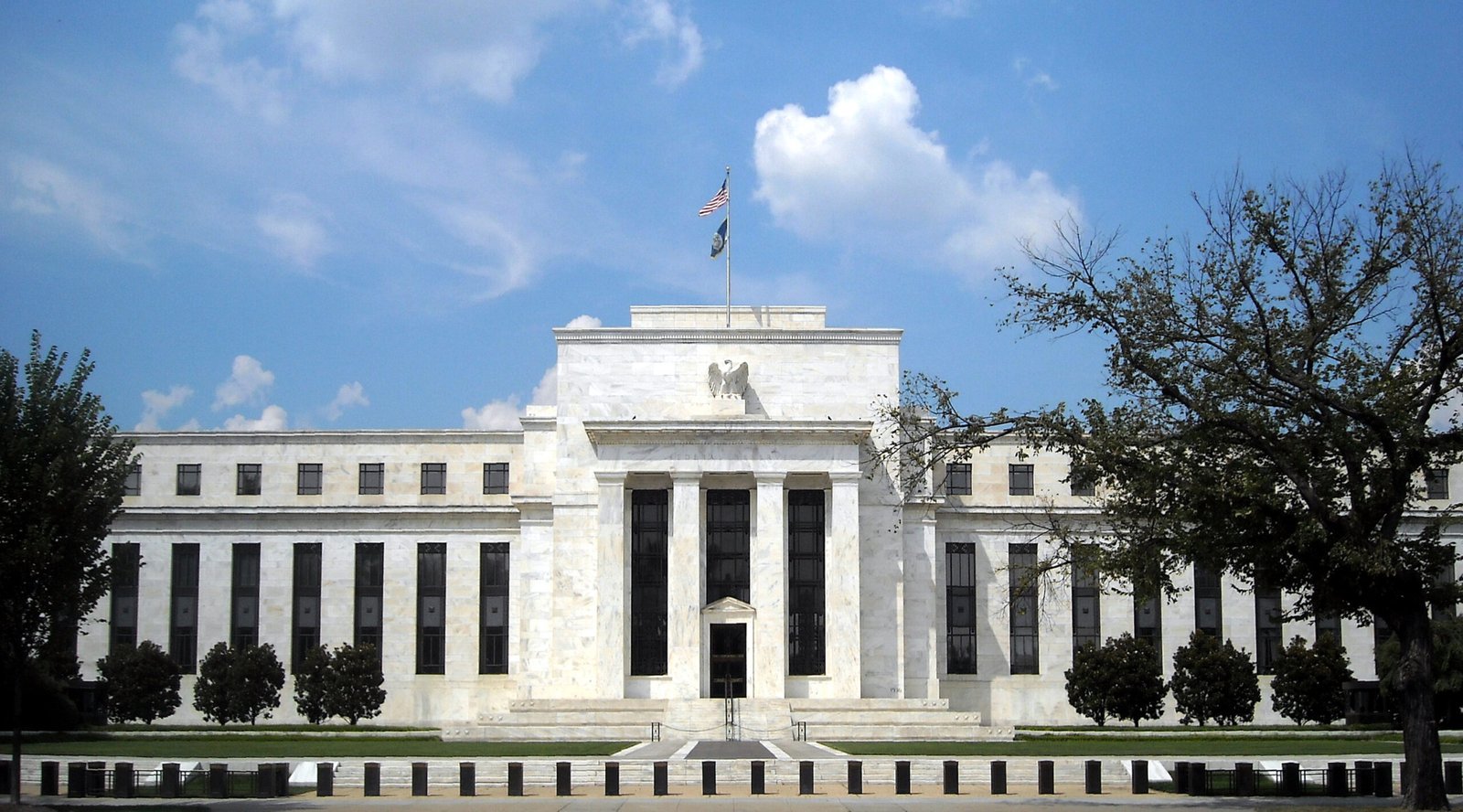
A Fed “pause” and a Fed “cut” are both about interest rates staying low or going lower, but markets read them very differently. Here’s why the distinction matters for your portfolio.
Table of Contents
Quick Answer
A rate pause means the Fed holds its current rate steady, usually because it wants more data before deciding its next move. A rate cut means the Fed actively lowers rates, usually to support a slowing economy or falling inflation. Cuts tend to be read as more stimulative for stocks than pauses, but the market reaction depends heavily on why the Fed is cutting.
Key Takeaways
- A pause signals “wait and see,” while a cut signals the Fed has decided conditions require support.
- Not all cuts are good news for stocks — a cut made because the economy is weakening can spook markets even as rates fall.
- A pause after a series of hikes is often read as a sign the Fed believes inflation is coming under control.
- The Fed’s explanation for its decision usually matters more to markets than the decision itself.
What a Pause Signals
When the Fed pauses, it’s choosing not to change rates while it evaluates incoming data on inflation, employment, and growth. A pause after a series of rate hikes is often read as a sign that the Fed believes its previous moves are working and inflation is heading toward its target. A pause during a period of economic uncertainty can also mean the Fed sees risks in both directions and doesn’t want to commit to a path yet.
What a Cut Signals
A rate cut is a more active statement that the Fed believes the economy needs support, either because growth is slowing, unemployment is rising, or inflation has cooled enough that the Fed no longer needs rates as high as they were. Lower rates generally make borrowing cheaper for companies and consumers, which can support stock prices, especially for growth companies that rely on borrowing to expand.
Why “Good News” Cuts and “Bad News” Cuts Are Different
Not every cut is read the same way by markets. A cut that comes because inflation has calmed down without the economy weakening — sometimes called a “good news” cut — tends to be welcomed by investors. A cut that comes because the economy is genuinely struggling, sometimes called a “bad news” cut, can actually unsettle markets, since it confirms the Fed sees real weakness ahead. This is why stock reactions to a cut can vary so widely depending on the Fed’s explanation for making it.
What to Watch Beyond the Headline Decision
The rate decision itself is only part of the story. The Fed’s policy statement language, the tone of the press conference, and any updated dot plot projections often tell investors more about what’s likely to come next than the single decision does. A pause with hawkish language (suggesting rates could rise again) sends a very different signal than a pause with dovish language (suggesting cuts may be coming soon).
What This Means for Your Portfolio
Reacting to a single Fed decision by making major portfolio changes is generally not something most financial advisors recommend, since so much of the market’s reaction is often priced in before the meeting even happens. Understanding whether a pause or cut reflects confidence or concern about the economy can help you make sense of market moves, but long-term investment decisions are usually better grounded in your own goals and time horizon than in any single Fed meeting.
FAQ
Is a rate cut always good for stocks?
Not necessarily. A cut made because the economy is weakening can worry investors even though rates are falling, since it signals the Fed sees real problems ahead.
What does a rate pause mean for the stock market?
It depends on the context and the Fed’s tone. A pause after hikes, paired with confident language about inflation, is often read positively. A pause paired with uncertain language can leave markets more cautious.
Should I change my investments based on a Fed decision?
Most financial advisors suggest basing long-term investment decisions on your own goals and time horizon rather than reacting to any single Fed meeting.
Sources
- Federal Reserve — Federal Open Market Committee
- Federal Reserve — The Fed Explained: How the FOMC Implements Rate Decisions
This article is for general information and is not personalized investment advice. Talk to a licensed financial advisor before making investment decisions.
Related Reading
- The Complete Federal Reserve Guide 2026
- The Fed’s Dot Plot, Explained
- Fed Meeting July 2026: What the Interest Rate Decision Means for You

Sarah Mitchell covers U.S. and global stock markets for Wall Street Sights, focusing on how earnings, Federal Reserve policy, and macroeconomic events move major indexes.