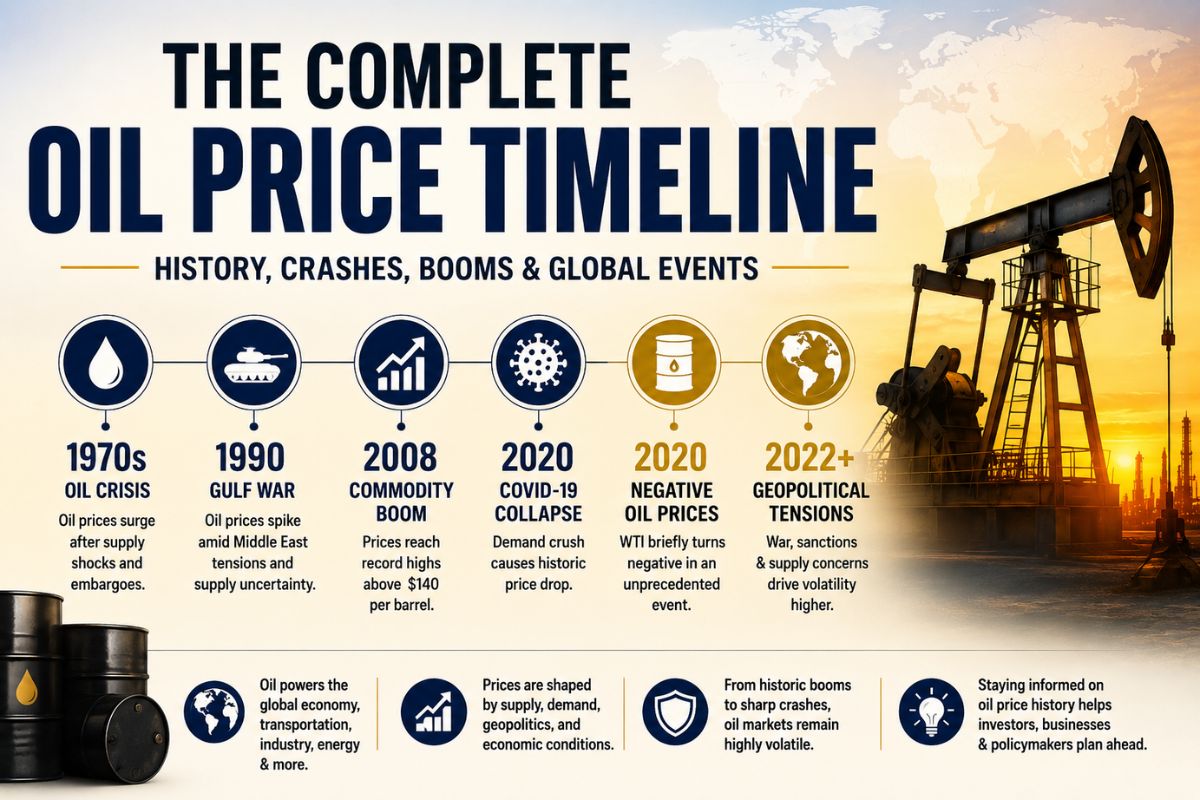
Global markets remain on edge as uncertainty persists over efforts to reopen the Strait of Hormuz, one of the world’s most critical shipping corridors for oil exports. The lack of clarity on a lasting resolution has driven sharp, sometimes contradictory swings in crude prices over the past two weeks, with benchmark oil jumping nearly 5% in a single session even as earlier reports of progress toward a deal had pushed prices lower just days before.
Why the Strait of Hormuz Matters
The Strait of Hormuz sits at the mouth of the Persian Gulf and serves as the passage point for a substantial share of the world’s seaborne oil trade. Any disruption, or even the threat of one, tends to ripple quickly through global energy markets, since alternative shipping routes are limited and far less efficient. That outsized importance explains why headlines about the strait can move oil prices, equity markets, and even currency valuations within hours.
Whipsaw Trading Reflects Deep Uncertainty
Markets have swung both ways in recent sessions. Earlier in the month, reports that the U.S. and Iran were in active talks and might reach a deal to normalize shipping through the strait sent crude prices tumbling and lifted equity markets, with the Dow posting a record close. More recently, renewed doubts about whether that deal will actually materialize have pushed oil prices back up and weighed on stocks, illustrating how sensitive global markets remain to every twist in the negotiations.
Ripple Effects Across Asia
The volatility hasn’t been confined to U.S. and European markets. South Korea’s benchmark index saw a sharp decline tied in part to regional jitters, even as isolated corporate deals continued to move individual stocks. Hong Kong’s market, by contrast, managed to buck the broader trend on strength in technology names, underscoring how unevenly the uncertainty is being absorbed across the region.
What Comes Next
Until a durable agreement is reached and shipping through the strait stabilizes, expect continued volatility in oil prices and knock-on effects for inflation expectations, central bank policy, and equity markets worldwide. Investors and policymakers alike are watching diplomatic developments as closely as any economic data release this month.

James Carter covers international news and geopolitics for Wall Street Sights, with a focus on how global events affect markets, trade, and the U.S. economy.