S&P 500 Wavers Ahead of Key Inflation Data as Oil Spikes on Middle East Tensions
Markets pulled back to start the week as traders positioned ahead of Wednesday’s CPI report, while a flare-up in Strait of Hormuz tensions sent oil prices higher.
Insights, Analysis, and Perspective on Wall Street.
Markets pulled back to start the week as traders positioned ahead of Wednesday’s CPI report, while a flare-up in Strait of Hormuz tensions sent oil prices higher.
The S&P 500 closed at a record 7,758 after a weak July jobs report cooled expectations of further Fed rate hikes, capping the market’s best week since April as the Nasdaq rebounded over 10% from its recent correction.
Amazon stock jumped as much as 13% on blowout Q2 results while Apple slid on weak China and Services numbers, as South Korea’s KOSPI surged 18% in an unprecedented single-day rally led by SK Hynix.
A rate pause and a rate cut send very different signals to markets. Here’s the difference and what each one usually means for your portfolio.
Crude oil is on pace for its biggest monthly surge since March, up roughly 21% in July, as the US-Iran war and a stalled Strait of Hormuz standoff strain global supply — even as prices dipped slightly Thursday.
The Nasdaq slid into correction territory and the Dow posted its worst day since April 2025 after the Fed held rates steady for a seventh straight month and long-term bond yields jumped to multi-decade highs.
The dot plot shows where Fed officials individually expect interest rates to go. Here’s how to actually read it.
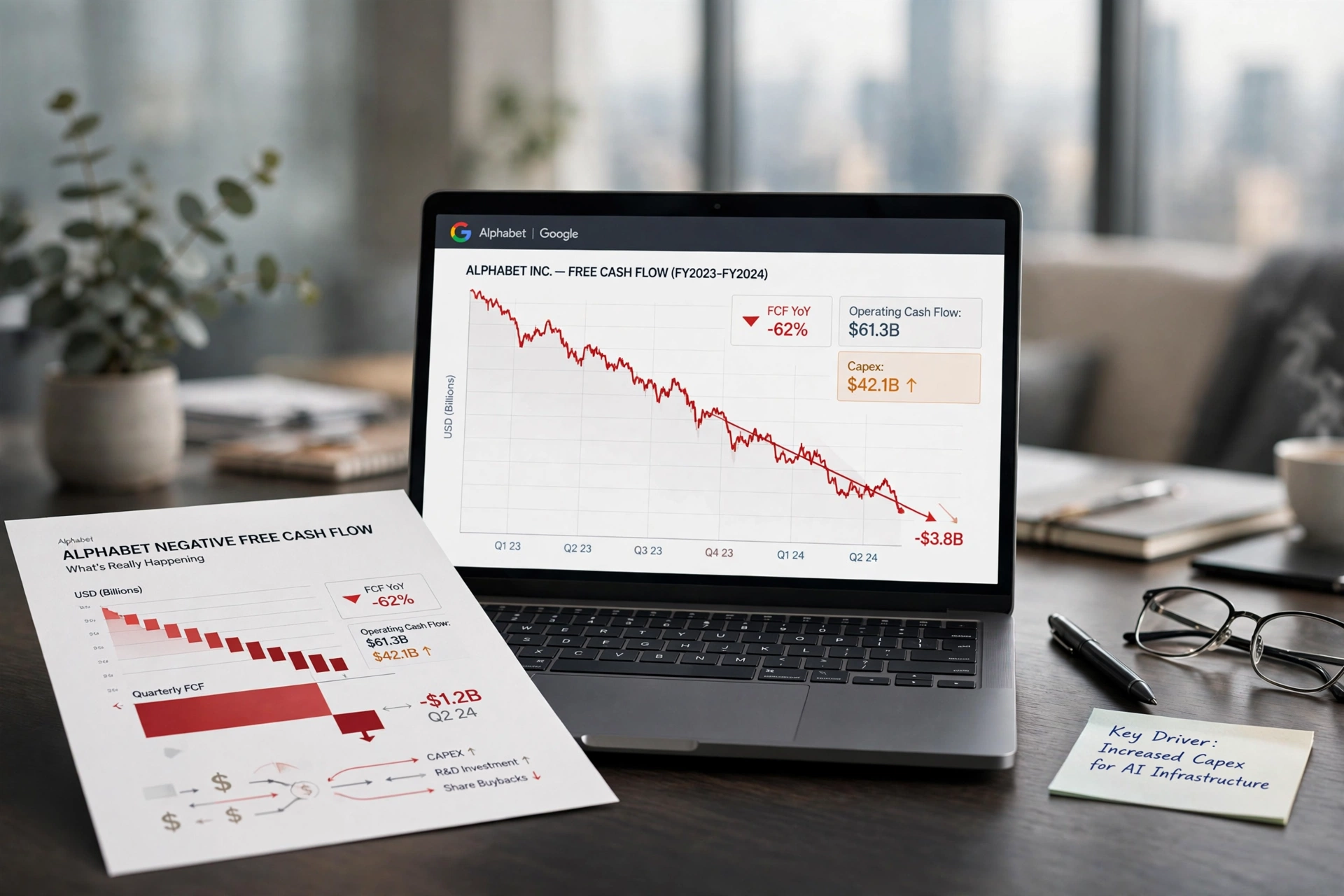
Alphabet posted its first negative free cash flow quarter since its 2004 IPO, even as revenue grew 24% and profit beat estimates. Here’s why, and what it signals about the AI spending race.
When the Fed moves rates, savings and CD yields usually follow, but not instantly and not always by the same amount. Here’s how it actually works.
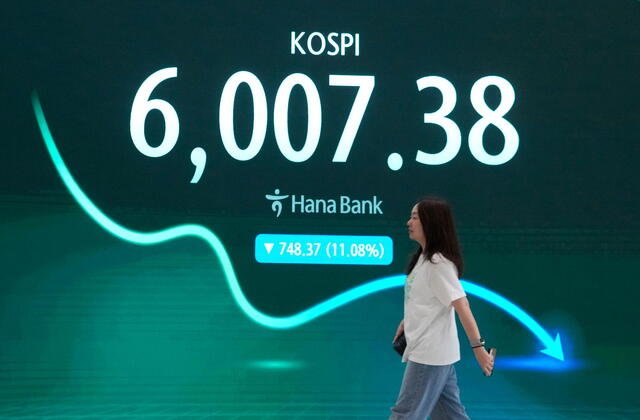
South Korea’s KOSPI stock index has plunged in its worst two-day decline on record after SK Hynix earnings disappointed investors already worried about AI stock valuations.