Oil prices moved lower while the Dow gained after new signs of progress in U.S.-Iran nuclear talks. Here’s what it means for investors, inflation, and the global economy.
Oil Prices Retreat as Diplomatic Talks Improve
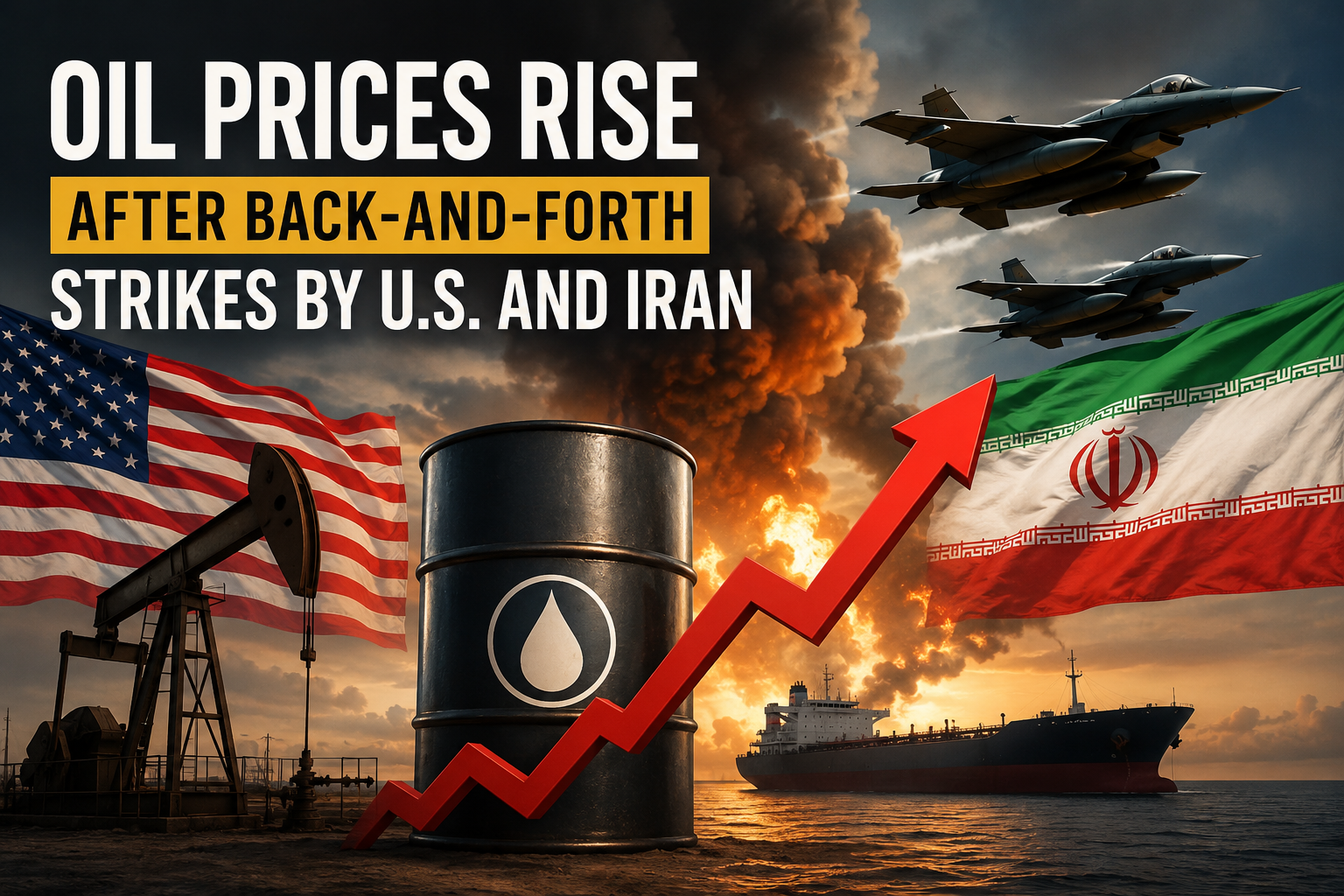
Oil prices moved lower on Monday after fresh signs of progress in negotiations between the United States and Iran raised hopes that tensions in the Middle East could ease in the coming weeks. The drop in crude prices helped lift investor confidence and supported gains in the U.S. stock market, especially in the Dow Jones Industrial Average.
According to comments made by U.S. Vice President JD Vance, Iran has agreed to allow international nuclear inspectors back into the country. If confirmed and fully implemented, the move could become an important step toward rebuilding trust between both sides and reducing the risk of a longer conflict.
Markets reacted quickly. Investors viewed the development as a positive sign that diplomacy may be replacing military pressure, reducing concerns about future disruptions to global energy supplies.
Dow Gains While Tech Stocks Face Pressure
Wall Street showed mixed performance during the trading session. The Dow industrials climbed by nearly 200 points as investors welcomed the decline in oil prices and signs of improving geopolitical stability.
However, the Nasdaq moved lower by around 1%, showing that technology shares continued to face pressure from rising bond yields and expectations that interest rates may remain high for longer.
Analysts say lower oil prices generally benefit transportation companies, manufacturers, and consumers by reducing fuel costs, while higher Treasury yields can weigh on growth-focused technology stocks.
Peace Talks Continue Despite Early Challenges
The latest optimism follows several rounds of diplomatic discussions aimed at reducing tensions between Washington and Tehran. Over the weekend, negotiations appeared uncertain after reports linked to the Strait of Hormuz created worries about global shipping and energy supplies.
Despite those early concerns, both sides continued discussions, and officials suggested that technical negotiations are making progress. Reports indicate that allowing international nuclear inspections could become one of the key confidence-building measures in any future agreement.
Financial markets often respond quickly to these developments because the Middle East remains one of the world’s most important oil-producing regions.
Why the Strait of Hormuz Matters
The Strait of Hormuz is one of the busiest energy shipping routes in the world. A significant share of globally traded crude oil passes through this narrow waterway every day.
Whenever shipping through the strait faces uncertainty, oil prices tend to rise because traders fear supply shortages. Higher energy prices can increase transportation costs, raise manufacturing expenses, and eventually push inflation higher across many economies.
Recent concerns surrounding the route added volatility to energy markets, but renewed diplomatic efforts have helped reduce some of those fears.
Inflation Remains a Major Concern
Even though crude prices have pulled back from recent highs, economists warn that earlier disruptions may continue to affect inflation.
Higher fuel costs often spread throughout the economy by increasing the price of shipping, airline travel, food distribution, and industrial production. Consumers may still feel the impact through higher prices for everyday goods and services.
Bond markets reflected these concerns as the yield on the benchmark U.S. 10-year Treasury approached 4.5%. Rising yields usually indicate that investors expect tighter monetary policy or stronger inflation pressures in the months ahead.
What the Federal Reserve Could Do Next
Investors are closely watching the Federal Reserve for signals about future interest rate decisions.
If inflation remains above the central bank’s target, policymakers could decide to keep borrowing costs elevated or tighten policy further. Higher interest rates are designed to slow spending and reduce inflation, but they can also weigh on business investment and stock market valuations.
Because of this balance, financial markets continue to react not only to economic data but also to geopolitical developments that influence oil prices and inflation expectations.
Markets Remember Alan Greenspan’s Legacy
Alongside market news, attention has also turned to the legacy of former Federal Reserve Chairman Alan Greenspan. His long tenure at the central bank shaped U.S. monetary policy during periods of strong economic growth and rapid technological change.
Many economists still study Greenspan’s approach to managing inflation while supporting expansion during the technology boom of the 1990s. His decisions continue to influence discussions about how central banks should respond when innovation boosts productivity without creating excessive price pressures.
Current policymakers often compare today’s economic environment with previous periods when productivity gains changed the outlook for inflation and interest rates.
Global Impact Beyond the United States
The effects of U.S.-Iran negotiations extend far beyond American markets. Countries that import large amounts of oil, including many in Asia and Europe, closely monitor developments because lower crude prices can reduce import bills and ease inflation.
For businesses, falling energy costs may improve profit margins. Airlines, logistics companies, manufacturers, and chemical producers often benefit when oil becomes less expensive.
Consumers can also gain if lower wholesale fuel prices eventually lead to reduced transportation and gasoline costs.
Outlook for Investors
While the latest headlines have improved market sentiment, uncertainty remains. Diplomatic negotiations can change quickly, and investors will continue monitoring official statements, energy markets, and central bank actions.
For now, lower oil prices and progress in talks have provided some relief to financial markets. However, inflation risks, bond yields, and geopolitical developments will likely remain major drivers of market performance in the weeks ahead.
If negotiations continue successfully and energy supplies remain stable, investors may see further improvements in confidence. But any setback in diplomacy could quickly reverse recent gains and bring renewed volatility to global markets.
Table of Contents
Read more
SpaceX Stocks Winning Streak: What the Sudden Pullback Means for Investors
Private Credit Redemption: How One Wealth Manager Got Out Before the Rush
Why did oil prices fall today?
Oil prices moved lower because investors reacted positively to signs of progress in U.S.-Iran talks. Hopes for improved diplomatic relations can reduce fears of supply disruptions in the global oil market.
How do U.S.-Iran negotiations affect oil prices?
The Middle East is a major oil-producing region. When tensions ease, markets expect a more stable supply of crude oil, which can push prices down. Rising tensions often have the opposite effect.
What is the Strait of Hormuz, and why is it important?
The Strait of Hormuz is one of the world’s most important shipping routes for crude oil. A large share of global oil exports passes through this narrow waterway, so any disruption can affect energy prices worldwide.
Why did the Dow Jones Industrial Average rise?
The Dow gained as investors welcomed lower oil prices and improving sentiment around international diplomacy. Lower energy costs can reduce inflation pressure and help many businesses.
Why was the Nasdaq under pressure?
Technology stocks are often sensitive to interest rate expectations. If investors believe rates may stay high or increase, some tech shares can come under selling pressure.
What should investors watch next?
Market participants are likely to monitor diplomatic developments, oil price movements, inflation data, central bank decisions, and global economic indicators to understand where markets may head next.
Source :wsj.com

Sarah Mitchell covers U.S. and global stock markets for Wall Street Sights, focusing on how earnings, Federal Reserve policy, and macroeconomic events move major indexes.