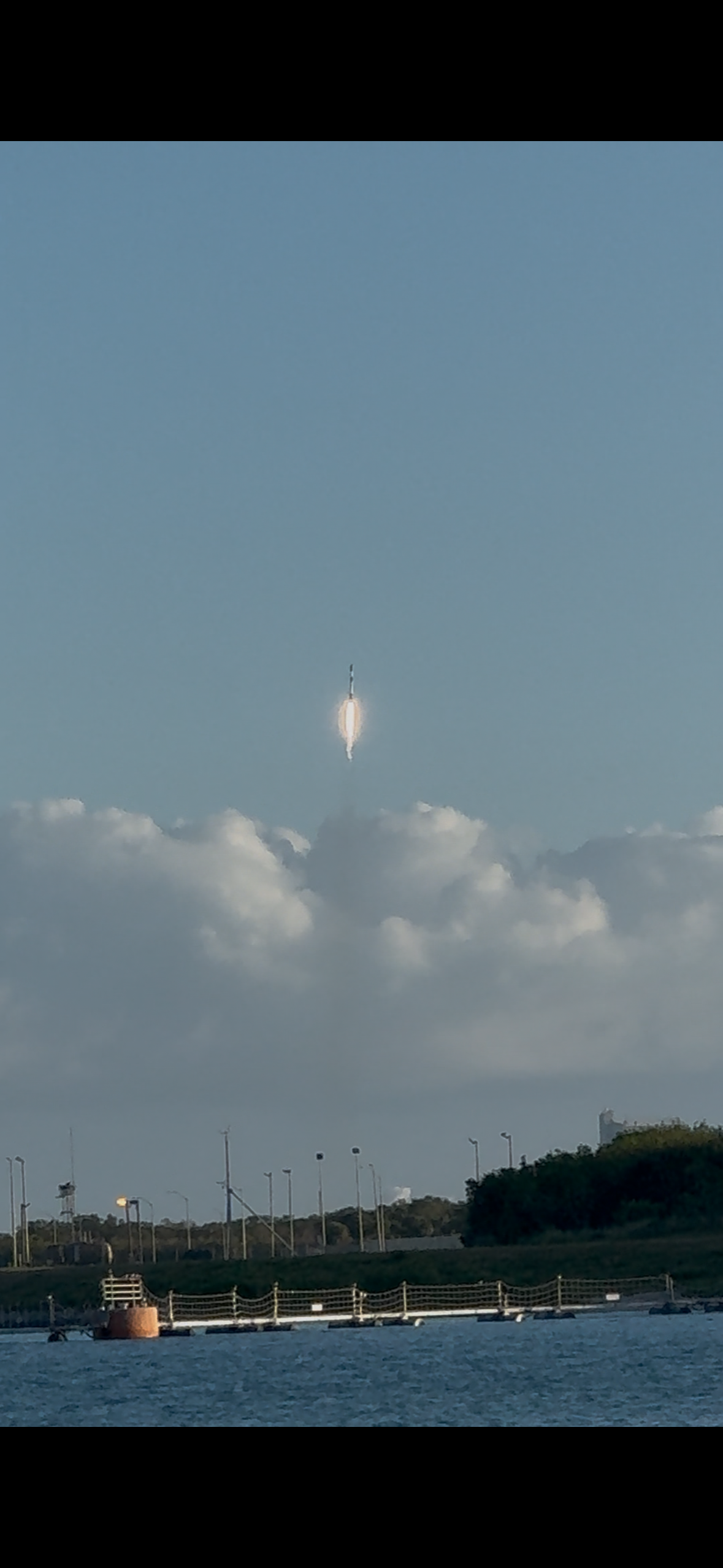
SpaceX has landed another major national security contract. The US Space Force has awarded the company $1.6 billion to carry out 18 Falcon 9 launches through 2027, deepening its role in the Pentagon’s satellite programs.
Quick Answer
The U.S. Space Force awarded SpaceX $1.6 billion in orders on Wednesday to launch 18 Falcon 9 missions through 2027. The missions will carry Pentagon satellites designed to detect and track airborne objects. The launches were assigned to SpaceX across two task orders under the Space Force’s National Security Space Launch program, which also includes United Launch Alliance, Blue Origin, and other providers.
Key Takeaways
- SpaceX will carry out 18 Falcon 9 missions for the Space Force through 2027 under the new orders.
- The contract is worth $1.6 billion and was awarded through two separate task orders.
- The satellites involved are intended to detect and target airborne objects for the Pentagon.
- The orders fall under the Space Force’s flagship National Security Space Launch procurement program.
- Other providers in the program include United Launch Alliance and Blue Origin, though this round of orders went to SpaceX.
Why This Contract Matters
National security launch contracts are among the most valuable and closely watched deals in the space industry, both for their size and for what they signal about the Pentagon’s confidence in a given launch provider’s reliability. Winning $1.6 billion across 18 missions reinforces SpaceX’s position as the default choice for a large share of U.S. military launches, building on years of Falcon 9 flights that have established the rocket’s track record.
The specific payloads — satellites built to detect and track airborne objects — reflect a broader push within the Pentagon to expand missile-warning and tracking capabilities from space, an area that has drawn increased investment amid heightened global tensions.
What It Means for SpaceX and the Launch Market
For SpaceX, the award adds to an already substantial backlog of national security and commercial launches, reinforcing Falcon 9’s role as the workhorse of U.S. government space access. For competitors like United Launch Alliance and Blue Origin, it’s a reminder that even with multiple providers formally part of the National Security Space Launch program, SpaceX continues to capture a large share of individual task orders, largely on the strength of launch cadence and cost.
FAQ
What is the National Security Space Launch program?
It’s the Space Force’s primary procurement framework for launching national security satellites, designed to give the Pentagon access to multiple qualified launch providers, including SpaceX, United Launch Alliance, and Blue Origin.
What will the satellites in this contract do?
The satellites are designed to help the Pentagon detect and track airborne objects, supporting missile-warning and tracking capabilities.
When will the 18 launches take place?
The missions are scheduled to be carried out through 2027, though exact individual launch dates typically depend on satellite readiness and range scheduling.
Sources
- Reuters, via Hawaii Tribune-Herald — News in Brief for July 30
This article is for general information purposes.
Related Reading

The Wall Street Sights Staff desk covers U.S. domestic news, public health, and policy stories relevant to American readers and their finances.