Getting a handle on personal finance basics doesn’t require a finance degree — it starts with three habits: spending less than you earn, clearing expensive debt, and putting money aside consistently. This guide walks through each one, so you can build a system that works whether you’re just starting your career or finally ready to get organized.
Start With a Budget You’ll Actually Follow
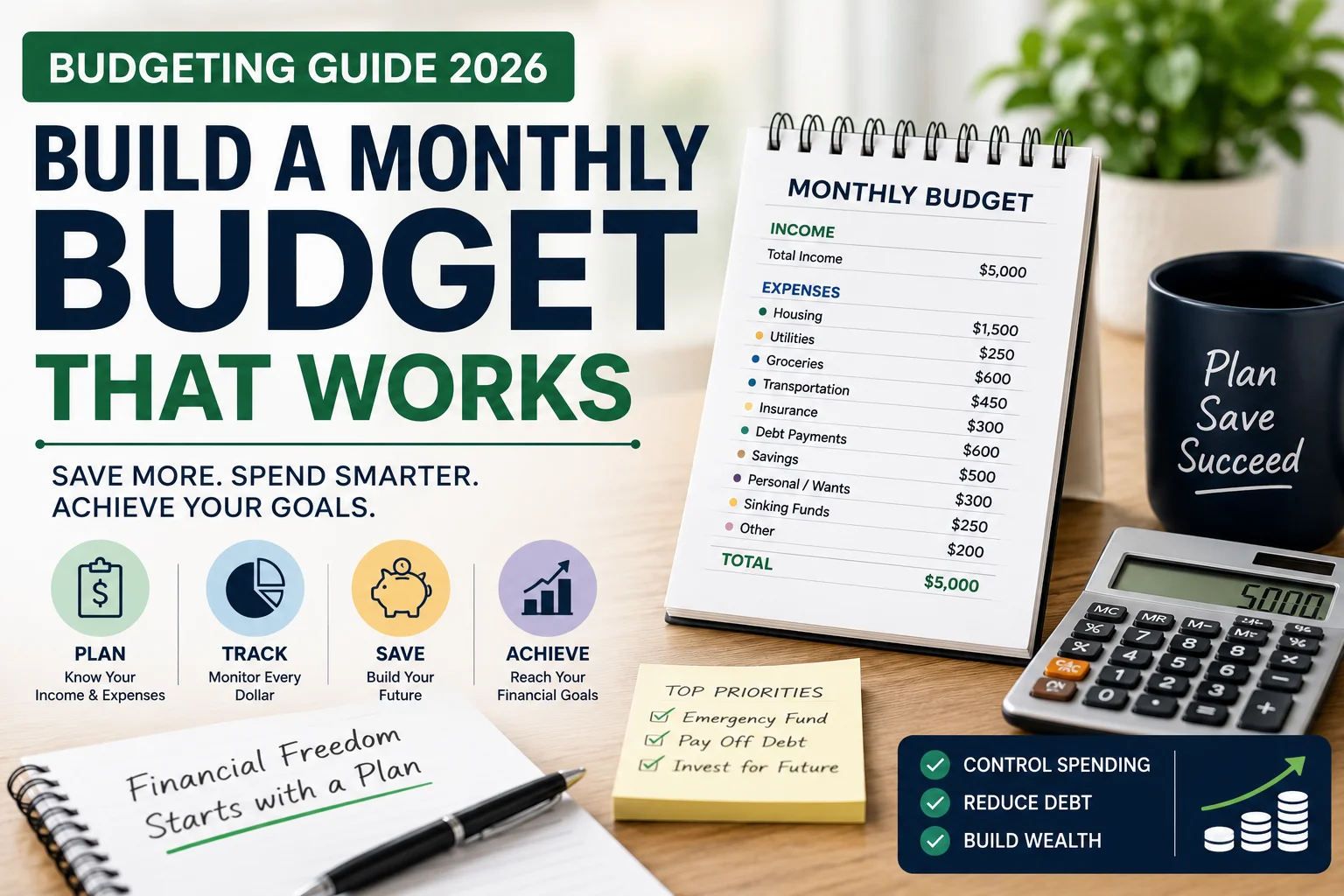
A budget is simply a plan for where your money goes before it leaves your account. The most common approach splits take-home pay into three buckets: needs (rent, groceries, utilities), wants (dining out, subscriptions, entertainment), and savings or debt payoff. A widely used starting ratio is 50% needs, 30% wants, and 20% savings — though the exact split should flex based on your cost of living and goals.
The habit that matters most isn’t the exact percentages — it’s tracking. Write down or log every expense for a month before adjusting anything. Most people are surprised by where the leaks are, usually small recurring charges rather than one big purchase.
Build an Emergency Fund First
Before aggressively paying down debt or investing, set aside a small buffer — even $500 to $1,000 — for unplanned costs like a car repair or medical bill. Without this cushion, an emergency often gets put on a credit card, undoing any progress made elsewhere. Once you’re debt-free, most planners suggest growing this fund to cover three to six months of essential expenses, kept in an easily accessible savings account.
Tackle High-Interest Debt Strategically
Not all debt is equal. A mortgage or federal student loan at a low fixed rate is very different from a credit card charging 20%+ interest. Prioritize eliminating high-interest, unsecured debt first, since it compounds fastest and does the most damage to your finances over time.
Two popular payoff methods can help structure the process. The debt avalanche targets the highest-interest balance first while making minimum payments on everything else, minimizing total interest paid. The debt snowball instead targets the smallest balance first, which builds momentum through quick wins — a method that can be easier to stick with even if it costs slightly more in interest.
- List every debt with its balance, interest rate, and minimum payment
- Choose avalanche (save money) or snowball (stay motivated) based on what keeps you consistent
- Automate minimum payments on everything so nothing is missed
- Direct any extra cash toward the target debt until it’s paid off, then roll that payment to the next one
Make Saving Automatic
Saving works best when it doesn’t rely on willpower. Setting up an automatic transfer to a savings or retirement account on payday — before you have a chance to spend it — removes the decision-making from the equation entirely.
Don’t Leave an Employer Match on the Table
If your employer offers a 401(k) or similar retirement plan with a matching contribution, contributing enough to capture the full match is one of the highest guaranteed returns available — it’s effectively free money added to your retirement savings. Even a small percentage contributed early benefits significantly from decades of compounding growth.
No Employer Plan? Consider an IRA
Without access to a workplace retirement plan, an Individual Retirement Account (IRA) is a straightforward alternative. A Traditional IRA offers an upfront tax deduction, while contributions to a Roth IRA grow and can be withdrawn tax-free in retirement. Either option can be opened with most brokerages in a matter of minutes.
Bringing It Together
Personal finance basics come down to a simple sequence: track your spending, build a small safety net, eliminate costly debt, and automate your savings so consistency does the heavy lifting. None of these steps require perfection — small, repeatable habits compound into meaningful financial security over time.

Gulraj Ansari covers personal finance for Wall Street Sights, including retirement planning, credit, and everyday money decisions for U.S. readers.