Big Tech earnings sent two of the Magnificent Seven in opposite directions Friday. Amazon stock jumped as much as 13% after blowout second-quarter results, while Apple slid roughly 7-9% on a disappointing forecast, giving Wall Street one of its clearest "haves and have-nots" mornings of earnings season.
Quick Answer
Amazon shares jumped after the company reported Q2 net sales up 20% to $200.6 billion and operating income up 43% to $27.5 billion, driven by accelerating cloud growth at AWS. Apple fell after disappointing investors with weaker-than-expected China and Services results, despite beating on most other headline metrics. The divergence played out against a backdrop of a global rally in chip stocks, with South Korea’s KOSPI index surging 18% after memory giant SK Hynix hit its daily trading limit.
Key Takeaways
- Amazon’s Q2 net sales rose 20% year-over-year to $200.6 billion; operating income jumped 43% to $27.5 billion.
- AWS cloud revenue accelerated, rising roughly 20% to $200.6 billion in the segment, reinforcing Amazon’s AI infrastructure buildout.
- Apple beat on most major metrics but disappointed on China sales and Services growth, sending shares down sharply.
- South Korea’s KOSPI surged 18% in a single session, an unprecedented move led by SK Hynix hitting its 30% daily limit.
- The Nasdaq 100 and chip-focused ETFs rallied broadly as the AI trade found renewed footing after a rough week.
- The moves capped a volatile month that included a Fed rate hold, a Nasdaq correction, and an escalating oil-price story tied to the US-Iran war.
Why Amazon’s Earnings Landed So Well
Amazon’s results leaned heavily on AWS, where accelerating cloud-computing sales gave investors confidence that the company’s massive AI infrastructure spending is starting to show up directly in revenue rather than just costs. CEO Andy Jassy has been explicit that Amazon plans to keep spending aggressively on data center capacity — reportedly around $220 billion this year — and Friday’s numbers gave the market a reason to believe that spending is translating into real demand rather than speculative buildout.
Why Apple Fell Despite Beating Estimates
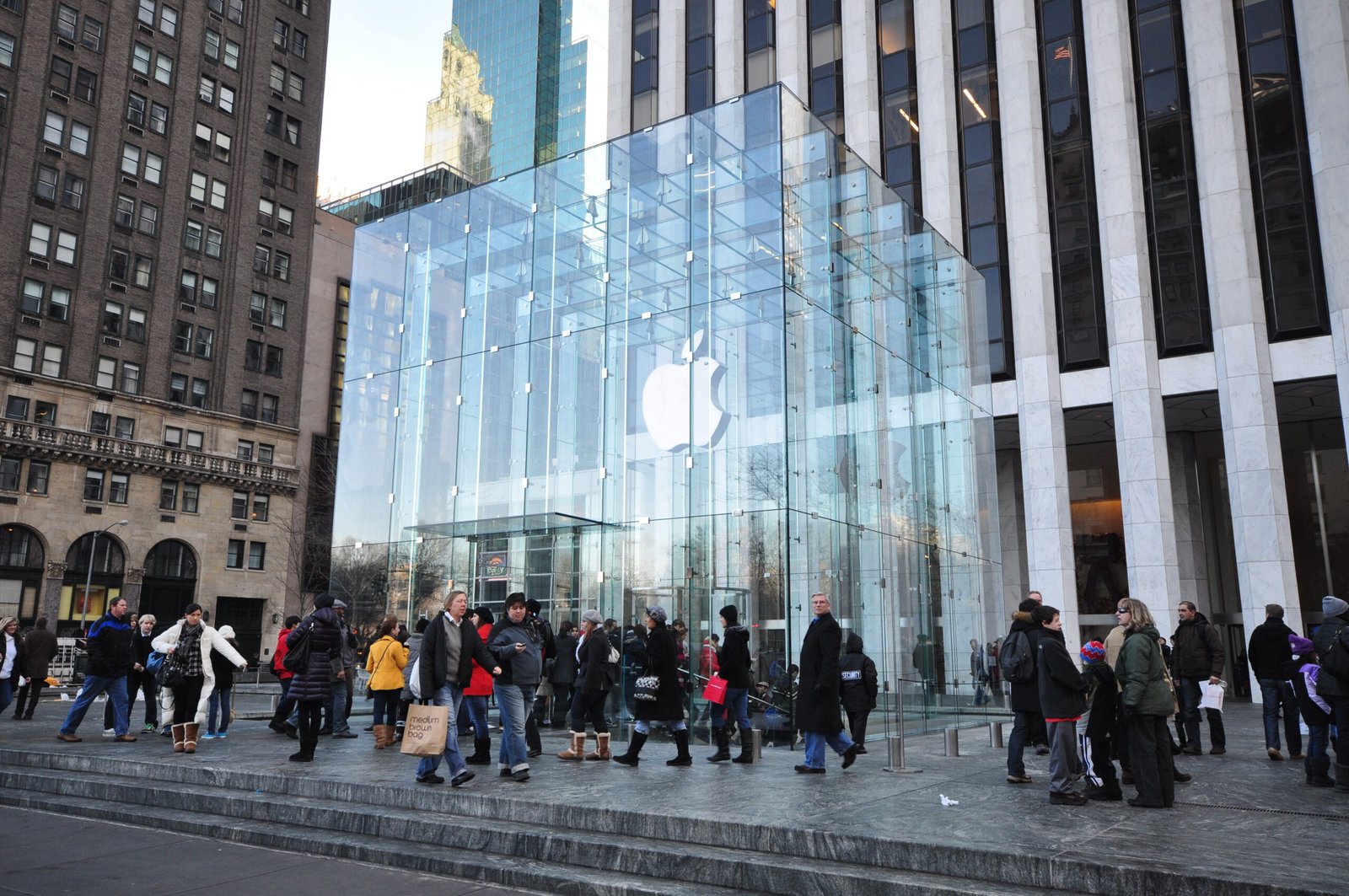
Apple’s stumble is a reminder that beating Wall Street’s headline numbers isn’t always enough. The company’s China business, which faces intense competitive pressure from domestic phone makers, came in weaker than expected, and its Services segment — a key part of the bull case for Apple’s margins — also missed. That combination raised fresh questions about how much room Apple has left to grow in its two most important businesses outside of iPhone hardware sales.
The KOSPI’s Historic Surge
The most dramatic single move of the day happened outside the US entirely. South Korea’s KOSPI index jumped 18% after memory chipmaker SK Hynix hit its 30% daily trading limit, an unprecedented reaction tied to renewed optimism about AI-driven demand for memory chips. The move rippled into US trading, lifting a broad basket of chip stocks and helping the Nasdaq recover ground lost earlier in the week’s correction.
What It Means Going Forward
Friday’s split verdict on Amazon and Apple is a useful snapshot of where investor confidence currently sits in Big Tech: rewarding companies that can show AI spending converting into revenue, and punishing those where growth in core segments is slowing. With Treasury yields still elevated after this week’s Fed decision, earnings quality is likely to keep mattering more than usual for the rest of the season.
FAQ
Why did Amazon stock jump so much?
Amazon beat expectations across the board, with AWS cloud revenue accelerating and operating income rising 43%, giving investors confidence that its heavy AI infrastructure spending is starting to pay off.
Why did Apple stock fall if it beat estimates?
Apple beat on most headline numbers but disappointed specifically in China sales and Services growth — two areas investors watch closely for the company’s ability to grow beyond iPhone hardware.
What caused the KOSPI’s 18% surge?
South Korean memory chipmaker SK Hynix hit its 30% daily trading limit on renewed optimism about AI-driven chip demand, triggering an unprecedented single-day rally across the broader KOSPI index.
Sources
- Bloomberg — Stock Market Today: Dow, S&P Live Updates
- TheStreet — Stock Market Today, July 31, 2026
- Benzinga — S&P 500 Open Up or Down Today
- Yahoo Finance — Stock Market Today Live Updates
- Investrade — Morning Preview, July 31, 2026
This article is for general information and is not personalized financial advice.
Related Reading
- Nasdaq Enters Correction as Fed Holds Rates and Dow Drops 1,150 Points
- Crude Oil Set for Biggest Monthly Surge Since March Amid US-Iran War
- The Complete Federal Reserve Guide 2026
- Micron’s Q3 Earnings: A Deep Dive into Data Center Demand
- Visa Cutting 7% of Jobs as AI Reshapes the Company

Sarah Mitchell covers U.S. and global stock markets for Wall Street Sights, focusing on how earnings, Federal Reserve policy, and macroeconomic events move major indexes.