The U.S. said Tuesday it intercepted a surprise Iranian missile attack on its forces in the Middle East, ending a days-long pause in fighting and raising fresh concerns about a return to full-scale war. Oil prices jumped on the news.
Key Facts
- U.S. Central Command said Iran’s Islamic Revolutionary Guard Corps launched multiple ballistic missiles at U.S. forces in the Middle East at 5:45 p.m. ET Tuesday.
- All of the missiles were intercepted, according to CENTCOM, and no U.S. casualties were reported.
- CENTCOM separately said U.S. and Saudi Arabian forces carried out joint strikes against Iran-aligned fighters in Iraq the same night.
- The attack ended a pause in direct U.S.-Iran fighting that had lasted several days after nearly two weeks of near-nightly strikes.
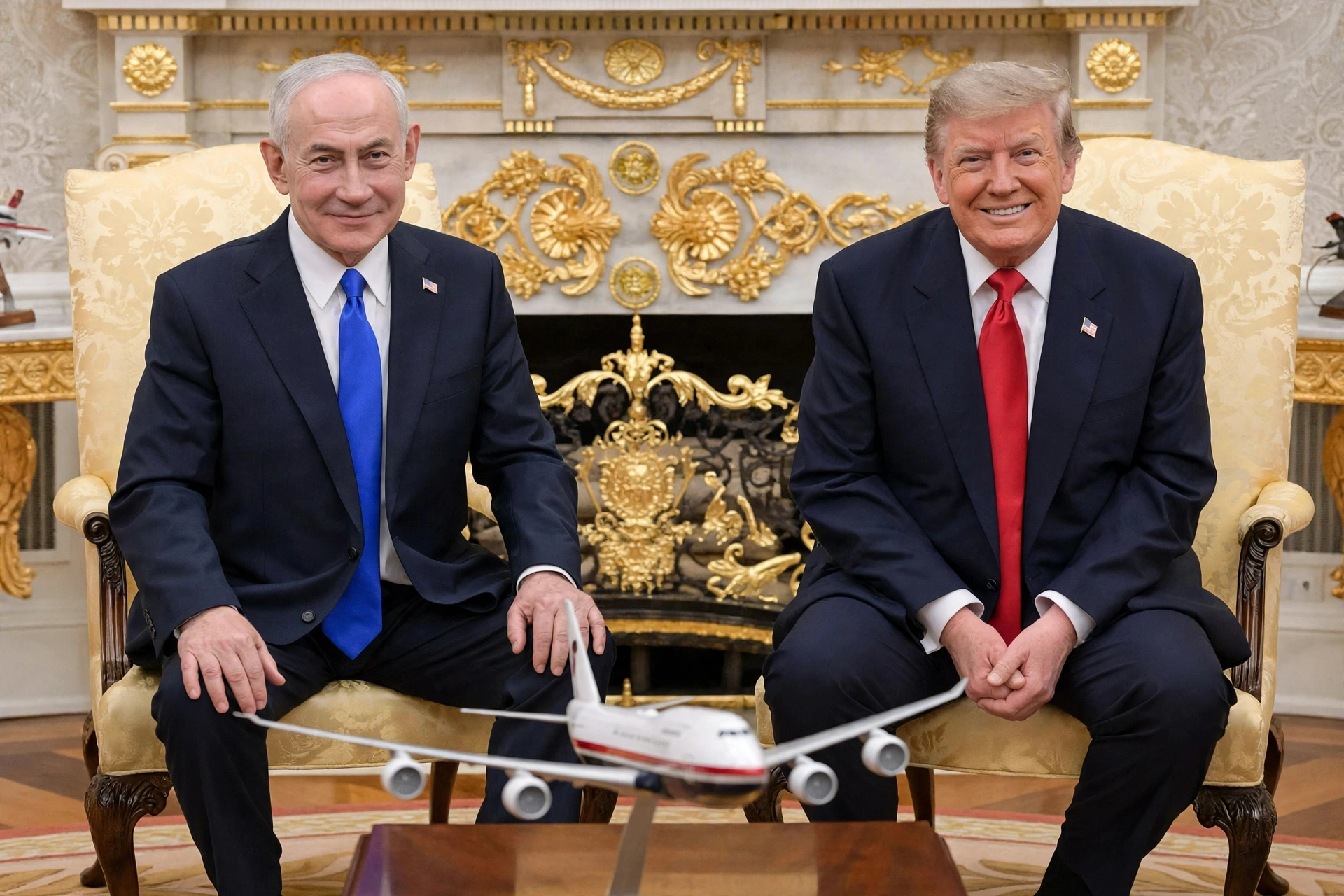
- President Trump met separately with Israeli Prime Minister Benjamin Netanyahu at the White House the same day, describing the talks as productive.
A Pause That Didn’t Last
Just a day before the attack, Trump had said the U.S. paused its strikes on Iran and suggested talks could resume soon, telling reporters Iran had asked to restart ceasefire negotiations. That diplomatic opening lasted only about 24 hours before Iran’s Revolutionary Guard launched the missile attack Tuesday evening. CENTCOM said the strike was part of a broader pattern, noting that Iran-aligned forces have attempted more than 600 attacks on U.S. citizens and facilities since February, along with more than 30 drone attacks on U.S. and Saudi targets in the three days before this latest incident.
Why Saudi Arabia’s Role Stands Out
The joint U.S.-Saudi strikes in Iraq are notable because Saudi Arabia has largely tried to avoid being pulled fully into this conflict since it began. Saudi Arabia signed a mutual defense treaty with Pakistan last year and has faced its own attacks on oil infrastructure from Iran-backed Houthi forces in recent weeks. Saudi Arabia joining the U.S. in direct strikes against Iran-aligned fighters marks a shift toward more open involvement from a country that has mostly tried to stay above the fray.
Why Markets Reacted Immediately
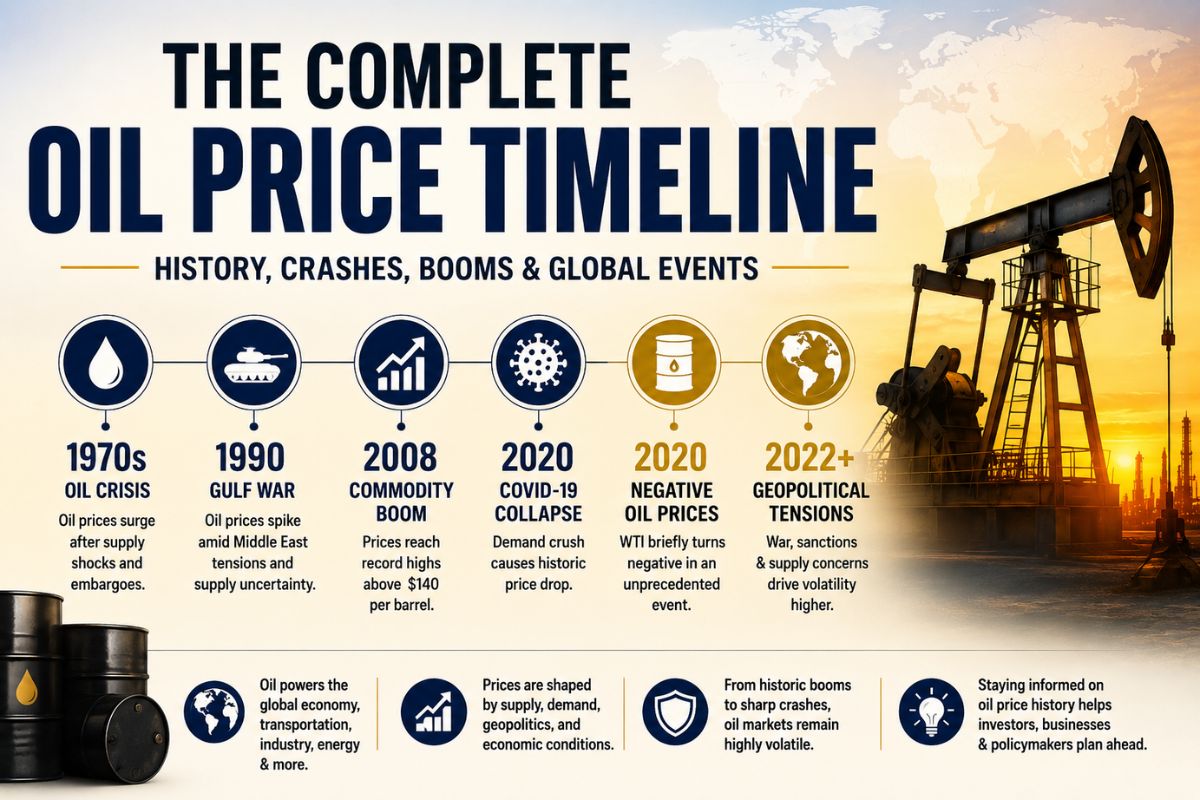
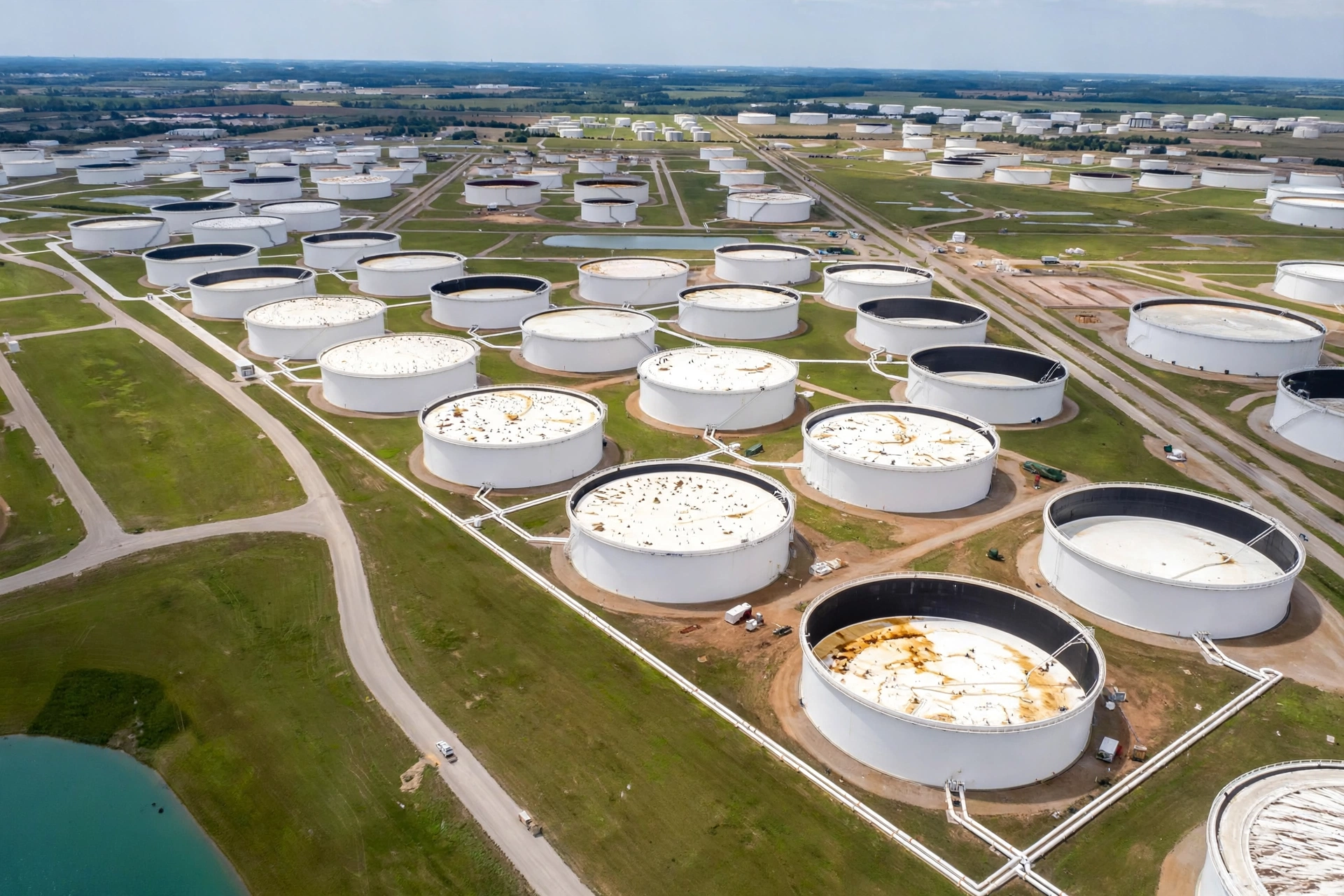
Oil prices climbed as soon as news of the intercepted attack broke, extending a pattern that has held throughout this conflict: any sign of escalation pushes oil higher, while pauses in fighting tend to bring prices back down. Much of the world’s oil shipping passes near the region, so traders treat any escalation as a real risk to supply, regardless of whether an attack actually succeeds. Tuesday’s intercepted missiles caused no reported damage, but the attempt alone was enough to move prices.
What Happens Next
It remains unclear whether or how the U.S. will formally respond beyond the joint strikes already carried out in Iraq. Trump’s comments just a day earlier suggested he still sees room for renewed talks with Iran, telling reporters there’s a good chance something could happen diplomatically, and if not, the U.S. would go back to its prior approach. That leaves the door open to either renewed negotiations or a further escalation, depending on how both sides respond to Tuesday’s attack in the coming days.
This is a developing story. Wall Street Sights will update this article as new information becomes available.
Sources
- CNN — US intercepts ‘surprise attack’ by Iran on US forces in the Middle East
- Bloomberg — US Intercepts Iran Attack on Bases, Puncturing Days of Calm
- Scripps News — US intercepts Iranian ‘surprise attack’ in the Middle East
Related reading: our coverage of Pakistan’s push for US-Iran talks and markets rising when the US first paused strikes track how this conflict has moved oil prices in both directions.

James Carter covers international news and geopolitics for Wall Street Sights, with a focus on how global events affect markets, trade, and the U.S. economy.