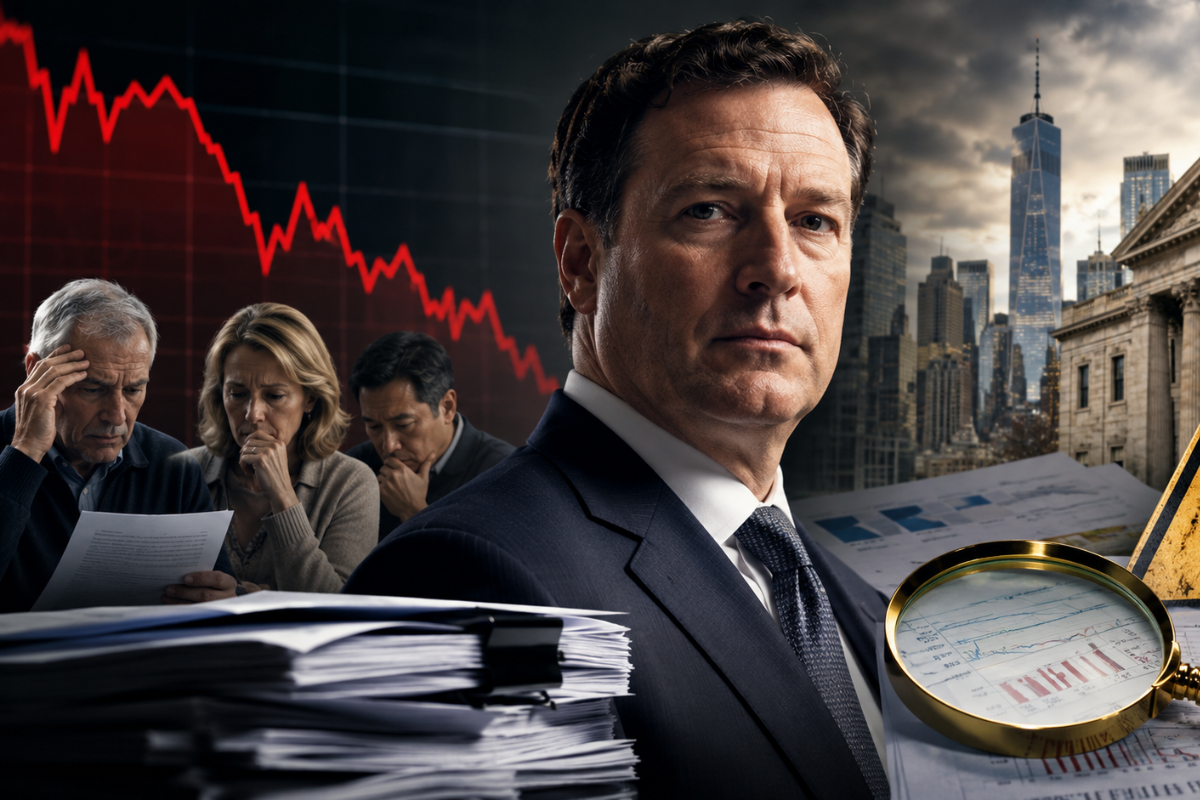
Paul Regan, a former stockbroker, became the center of a major U.S. investment fraud case after regulators said his companies raised more than $60 million from hundreds of investors.
The money was promoted through products tied to Next Level Holdings and Yield Wealth. Investors were told they could earn high, “guaranteed” returns with protection from losses. Federal authorities say many of those promises were false.
What Happened?
The Paul Regan fraud case is a warning story for anyone looking for safe income, retirement returns, or high-yield investments.
According to U.S. prosecutors and securities regulators, Regan and people working with him sold investment products through companies including Next Level Holdings and Yield Wealth. These products were presented as safe, insured, and able to pay strong returns. Some marketing materials promised annual yields in the double digits.
For many regular investors, that sounded attractive. At a time when people were worried about inflation, retirement savings, and market volatility, a steady high return with “protection” looked like a solution. But investigators say the business did not work the way investors were told.
Instead of using the money mainly for the promised investment strategy, regulators said much of it went toward payments to earlier investors, commissions for salespeople, and other transfers. That is why the case has been described as Ponzi-like.
How Big Was the Case?
The numbers are serious.
Federal prosecutors said more than 300 people invested over $60 million in the products. When the firms collapsed, investors were left with more than $50 million in losses.
The SEC said Regan raised more than $63 million from hundreds of U.S.-based investors. The agency also said the products promised returns as high as 15.5% over terms that could run from three to 10 years.
Those numbers matter because they show this was not a small private dispute. It affected many everyday investors, including people who may have believed they were protecting retirement money.
Why Investors Believed the Pitch
The pitch had three powerful parts.
First, the returns were high. In a normal market, safe investments rarely offer double-digit guaranteed annual returns. But the promise of 10%, 12%, or even 15% can be very tempting, especially for people trying to grow savings faster.
Second, the products were promoted as protected. Investors were told their principal and interest were backed by insurance or similar guarantees. That kind of language can make a risky product sound like a bank deposit.
Third, the sales network helped spread trust. Regulators and reports said Regan used salespeople and agents to market the products. When investors hear about an opportunity from someone who sounds confident or professional, they may lower their guard.
That is how many financial scams grow. They do not always look like obvious scams at first. They can come with polished documents, confident sellers, meetings, presentations, and professional-sounding names.
What Regulators Say Was False
Court records say investors were told their money would be used for business activities such as precious metals deals and other income-generating investments. They were also told the products had strong insurance protection.
But regulators said those claims were misleading.
The DOJ said Regan and his team misrepresented how investor money would be used and what protections investors had against losses. The SEC said most of the money was not used as promised. Instead, it was allegedly used for Ponzi-like payments to earlier investors, sales commissions, and transfers to other entities.
This is one of the biggest red flags in any investment: when the real use of money does not match the sales pitch.
The Biggest Lesson for Investors
The biggest lesson is simple: “guaranteed high return” is usually a danger sign.
Every real investment has risk. Stocks can fall. Bonds can lose value when rates change. Real estate can decline. Private investments can fail. Even safe bank products have limits and rules.
So when someone says an investment can pay very high returns with little or no risk, investors should stop and ask hard questions.
A promise of safety does not make an investment safe. A professional brochure does not prove that money is protected. A salesperson’s confidence does not replace registration, audited financials, and independent verification.
Red Flags Seen in This Case
The Regan case includes several warning signs that investors should remember:
High returns with low or no risk: Any investment promising double-digit returns with no real risk should be questioned.
Guaranteed language: Words like “fully insured,” “protected,” or “risk-free” should be verified with independent documents, not just sales material.
Complex explanations: If the strategy is hard to understand, slow down. Do not invest just because the seller sounds smart.
Unlicensed or unclear sellers: Investors should check whether the person and firm are properly registered.
Pressure to trust quickly: Scammers often use urgency, fear, or personal charm to stop people from doing proper research.
What Investors Should Do Before Sending Money
Before investing in any high-yield product, investors should check the seller’s background, confirm whether the investment is registered, ask for audited financial statements, and speak with an independent financial adviser.
Investors should also contact the insurance company directly if a product claims to be insured. Do not rely only on a PDF, brochure, or email from the person selling the investment.
If the seller gets angry, avoids questions, or says “everyone else is already investing,” that is another warning sign.
Why This Case Matters Now
This case matters because many Americans are searching for better returns. Retirees want income. Younger investors want fast growth. Families want safety from inflation. Scammers know this and often build pitches around fear and hope.
The Paul Regan case shows how a promise of safety can become a trap. It also reminds investors that fraud does not always look messy. Sometimes it looks polished, global, and professional.
For U.S. investors, the safest rule is still the oldest one: if an investment sounds too good to be true, check everything before sending even one dollar.
Table of Contents
Who is Paul Regan?
Who is Paul Regan?
Paul Regan is a former stockbroker tied to the Next Level Holdings and Yield Wealth investment products. U.S. regulators accused him of running a large fraud that raised tens of millions of dollars from investors.
How much money did investors lose?
Federal prosecutors said investors were left with more than $50 million in losses after the collapse of the investment products.
What returns were investors promised?
Regulators said some products promised high annual returns, including double-digit yields. The SEC said certain offerings promised returns as high as 15.5%.
Was this called a Ponzi scheme?
Authorities described the operation as Ponzi-like because money from newer investors was allegedly used to pay earlier investors instead of being invested as promised.
What is the main warning for investors?
Be very careful with any investment that promises high returns, guaranteed safety, and little or no risk. Always verify the seller, the firm, the registration status, and any claimed insurance protection before investing.
Source : livemint.com

Emily Rodriguez covers corporate earnings, deals, and company news for Wall Street Sights, with a focus on what business decisions mean for investors and consumers.