Explore the latest AI industry research with market size, growth trends, leading companies, investment insights, generative AI statistics, risks, and future predictions.
AI Industry Research Report 2026
Artificial intelligence, or AI, is changing how people work, learn, shop, and create. It is no longer limited to research labs or large technology companies. Today, AI tools help doctors review medical images, banks detect fraud, factories improve production, and students learn faster.
This report explains the AI industry in simple language. It covers market growth, major trends, business adoption, investment activity, risks, and where AI may be heading next.
What Is Artificial Intelligence?
Artificial intelligence is software or a machine that can perform tasks that normally require human intelligence.
Examples include:
- Writing and summarizing text
- Recognizing images and speech
- Translating languages
- Recommending products
- Detecting fraud
- Helping programmers write code
- Powering chatbots and virtual assistants
Modern AI systems often learn from large amounts of data instead of following only fixed instructions.
A Brief History of Artificial intelligence
The idea of intelligent machines has existed for decades, but progress accelerated after improvements in computing power and data availability.
Major milestones include:
- Early rule-based computer programs
- Growth of machine learning
- Deep learning breakthroughs
- Image recognition improvements
- Natural language processing advances
- Generative AI systems capable of creating text, images, audio, and code
Recent years have seen AI move from experimental technology into everyday business operations.
Current AI Market Size
The AI economy has expanded rapidly as businesses invest in software, cloud infrastructure, specialized chips, and automation.
Industry analysts forecast worldwide Artificial intelligence spending to reach approximately $2.59 trillion in 2026, with infrastructure accounting for a large share of investment. Enterprise demand for AI services, software, and models continues to increase across sectors. Independent research also shows organizational AI adoption reaching record levels.
This growth reflects demand not only from technology firms but also from healthcare providers, manufacturers, financial institutions, retailers, and governments.
Growth Projections
Several trends suggest continued expansion:
Enterprise Adoption
Organizations increasingly embed Artificial intelligence into customer service, software development, marketing, analytics, cybersecurity, and operations.
Infrastructure Investment
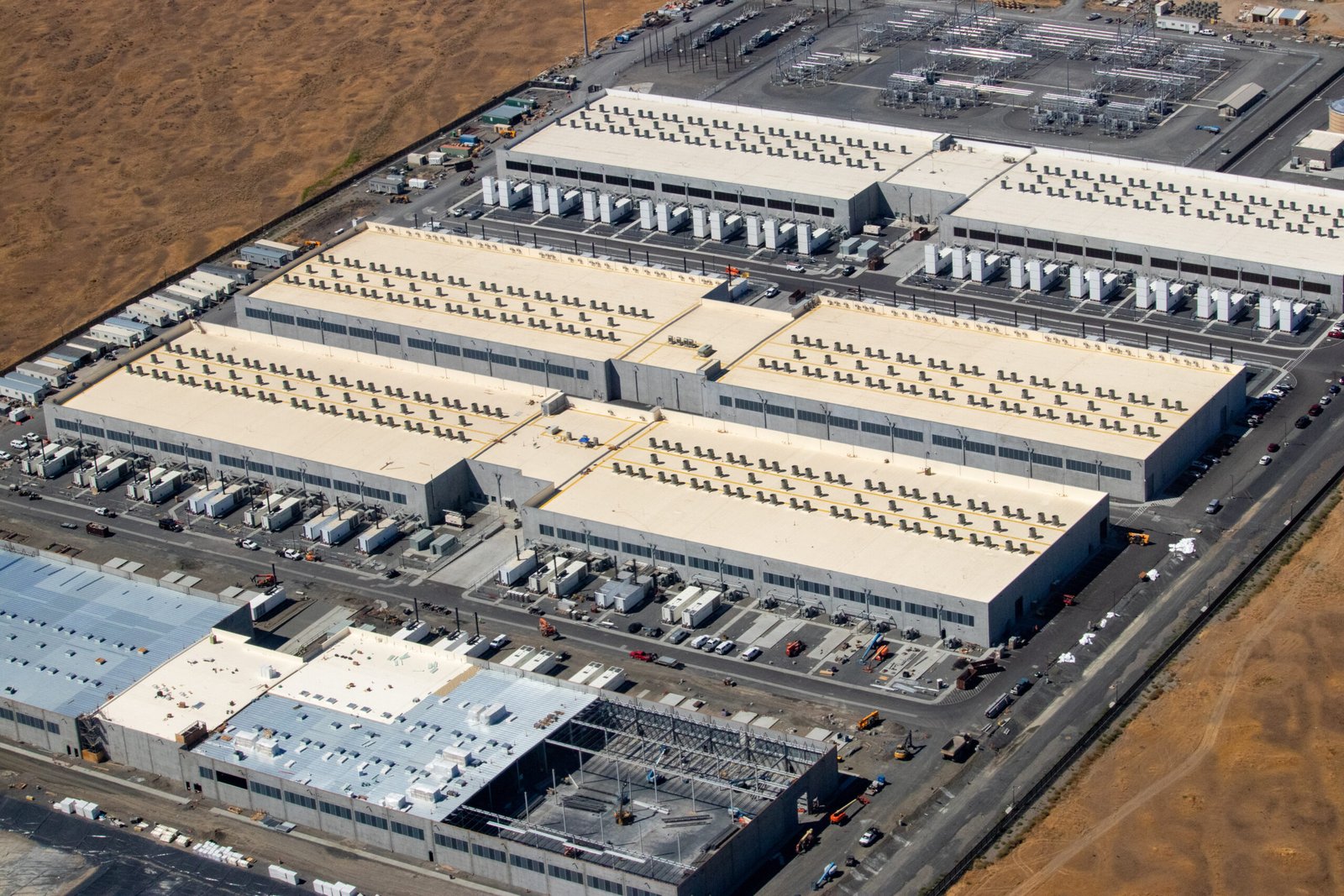
Cloud providers and chip manufacturers continue investing billions in AI-ready computing capacity.
Consumer Usage
Millions of people now use AI tools for writing, research, coding, education, and productivity.
Generative AI
Generative AI remains one of the fastest-growing segments because it creates original content instead of only analyzing existing information.
Top Industries Using AI
Healthcare
Hospitals and clinics use AI to assist with medical imaging, administrative tasks, and research.
Examples:
- Faster document processing
- Image analysis
- Drug discovery support
- Clinical workflow automation
Finance
Banks and investment firms use AI to:
- Detect suspicious transactions
- Improve customer support
- Analyze market data
- Automate compliance reviews
- Assess financial risk
Manufacturing
Factories deploy AI for:
- Predictive maintenance
- Quality inspection
- Supply chain planning
- Robotics
- Energy optimization
Education
Schools and universities increasingly use AI-powered tools for:
- Personalized tutoring
- Writing assistance
- Language learning
- Research support
- Administrative efficiency
Retail
Retailers rely on AI for recommendation engines, demand forecasting, pricing optimization, and customer support.
Major AI Trends
1. Generative AI
Tools that produce text, images, video, music, and software code continue expanding across industries.
2. AI Agents
Businesses are exploring systems that complete multi-step workflows with limited human supervision.
3. Enterprise Automation
Companies increasingly automate repetitive office tasks while allowing employees to focus on higher-value work.
4. Specialized AI Chips
Demand for high-performance processors continues rising as model sizes and workloads grow.
5. Responsible AI
Organizations are paying greater attention to transparency, fairness, security, and governance.
Major Risks
Despite rapid progress, AI presents challenges:
- Hallucinated or inaccurate outputs
- Bias in training data
- Cybersecurity threats
- Privacy concerns
- Copyright disputes
- Workforce disruption
- High infrastructure costs
- Environmental and energy demands
Managing these risks requires careful oversight and human review.
AI Regulations
Governments worldwide are developing rules covering safety, transparency, privacy, and responsible deployment.
Many organizations are also creating internal policies on AI use, employee training, and data governance to reduce operational and legal risks.
Leading Companies
Several businesses play important roles across the AI ecosystem:
- AI model developers
- Cloud computing providers
- Semiconductor manufacturers
- Enterprise software companies
- Cybersecurity firms
- Robotics companies
Competition remains intense as both established firms and startups release new products.
The Startup Ecosystem
Startup activity continues at a rapid pace.
New companies focus on:
- Healthcare AI
- Legal technology
- Coding assistants
- Financial analysis
- Customer service
- Robotics
- Education technology
- Marketing automation
Venture capital remains active, although investors increasingly prioritize sustainable business models and measurable returns.
AI Investment Trends
Private investment has accelerated alongside enterprise adoption.
Recent research indicates that corporate AI funding and startup investment increased significantly, with generative AI attracting a large share of new capital. Investors continue supporting infrastructure, enterprise software, robotics, cybersecurity, and specialized AI applications.
However, many executives are shifting their focus from experimentation to measurable business value and return on investment.
Jobs Created by AI
AI changes jobs rather than simply replacing them.
Growing roles include:
- AI engineers
- Machine learning specialists
- Data scientists
- Prompt engineers
- AI product managers
- AI safety researchers
- Cloud infrastructure experts
- Cybersecurity professionals
Workers in many traditional occupations are also learning AI skills to improve productivity instead of leaving their fields entirely.
Future Predictions
Over the next several years, AI is expected to become more integrated into daily business operations.
Likely developments include:
- Smarter virtual assistants
- Better scientific research tools
- More capable healthcare systems
- Increased automation in finance and manufacturing
- Wider adoption in education
- Growth in robotics and autonomous systems
At the same time, governments, businesses, and researchers will likely continue balancing innovation with safety and accountability.
Table of Contents
Read more:
How the Latest Supreme Court Decision Could Affect Green Card Holders Across the U.S.
AMC Announces $200 Million Stock Offering to Reduce Debt and Boost Liquidity
What is AI industry research?
AI industry research studies the size, growth, investment, technology, and business impact of artificial intelligence across different sectors.
Which industries benefit most from AI?
Healthcare, finance, manufacturing, education, retail, logistics, and software development are among the leading adopters.
Is generative AI different from traditional AI?
Yes. Generative AI creates new content such as text, images, code, or audio, while many traditional AI systems primarily classify or analyze existing data.
Is AI replacing jobs?
AI is changing many roles and automating certain tasks, but it is also creating demand for new skills and occupations.
Final Thoughts
Artificial intelligence has become one of the most influential technologies shaping the global economy. Rapid advances in generative AI, enterprise software, cloud infrastructure, and automation are transforming industries from healthcare to finance.
For investors, business leaders, and everyday users, the most important lesson is that AI should be viewed as a long-term shift rather than a short-term trend. Organizations that combine innovation with responsible governance and practical business goals are likely to be better positioned for future growth.
Source : Garter.com

Gulraj Ansari covers personal finance for Wall Street Sights, including retirement planning, credit, and everyday money decisions for U.S. readers.