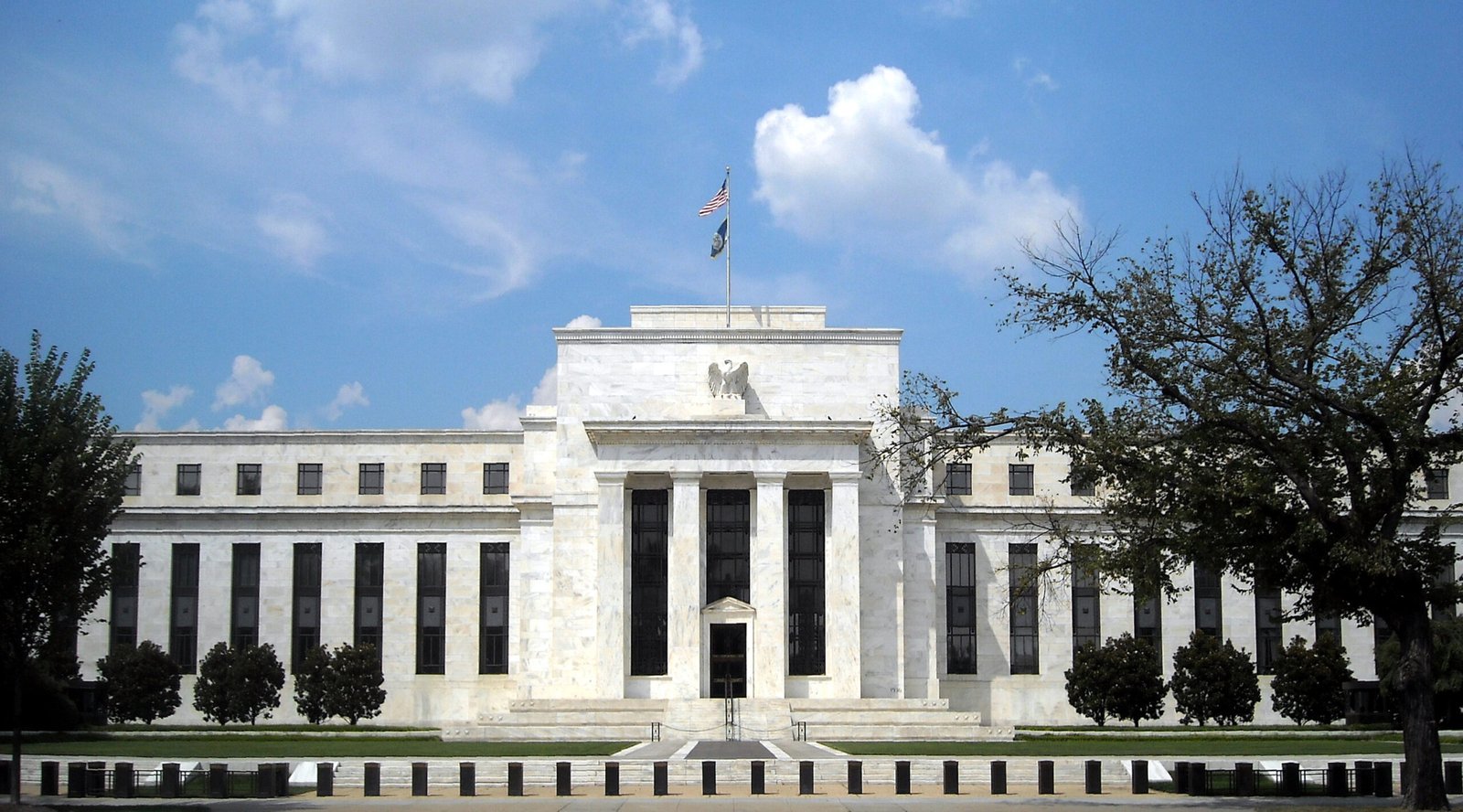
Wall Street closed out the week on a high note. The S&P 500 hit a record high Friday after a weaker-than-expected July jobs report reduced expectations that the Federal Reserve would raise interest rates again this year, giving all three major indexes their best week since April.
Quick Answer
The S&P 500 rose 0.6% Friday to a record close of 7,758, while the Nasdaq Composite gained 1.3% and the Dow added 152 points. The rally followed a July jobs report showing nonfarm payrolls unexpectedly fell by 23,000, with both the unemployment rate and labor force participation rate declining — data that eased concerns the labor market was still strong enough to fuel further inflation and push the Fed toward another rate hike. JPMorgan raised its S&P 500 price target for the second time in two months, citing strong corporate earnings and payoffs from heavy AI spending.
Key Takeaways
- The S&P 500 closed at a record 7,758, up 0.6% on the day and posting its best week since April.
- July nonfarm payrolls unexpectedly fell by 23,000, while unemployment and labor force participation both declined.
- The Nasdaq Composite gained 1.3%, and the Nasdaq 100 has now rebounded more than 10% from last week’s correction low.
- JPMorgan raised its S&P 500 target for the second consecutive month, pointing to strong earnings and AI-driven growth.
- Gold surged past $4,340 an ounce as Treasury yields and the dollar both eased, with the 10-year yield slipping to 4.651%.
- Oil prices ticked higher Monday on continued uncertainty over a potential deal to reopen the Strait of Hormuz.
Why Weak Jobs Data Is Good News for Markets
It might seem counterintuitive, but a soft jobs report is often exactly what stock markets want to see when investors are worried about further Fed rate hikes. A cooling labor market reduces the risk that wage growth pushes inflation higher, which gives the Fed more room to hold rates steady rather than tighten further. That’s precisely how Friday’s session played out: weaker payroll growth and a dip in the participation rate reinforced a "soft landing" narrative that traders have been hoping for since the Fed’s rate decision earlier this summer.
The Nasdaq’s Sharp Turnaround
Just over a week ago, the Nasdaq was sitting in correction territory after a rough stretch tied to Fed uncertainty and a global chip-stock selloff. Since then, the index has rebounded more than 10% from its low, powered by a run of strong earnings and renewed confidence in AI-related spending. The swing is a reminder of how quickly sentiment can shift in either direction once a single data point, in this case the jobs report, changes the market’s read on the Fed’s next move.
What JPMorgan’s Target Increase Signals
JPMorgan’s decision to raise its S&P 500 price target for the second time in two months reflects growing confidence among Wall Street strategists that corporate earnings, particularly from companies benefiting from AI infrastructure spending, can continue supporting valuations even with rates still elevated. Bank strategists don’t move targets lightly, and back-to-back increases suggest the bank sees more room to run rather than a market getting ahead of itself.
What to Watch This Week
With markets riding a strong week higher, attention now shifts to a busy stretch of economic data: CPI inflation numbers on Tuesday, followed by producer prices and retail sales data on Wednesday. Those releases will help confirm whether the "cooling but not collapsing" labor market narrative holds up, or whether this week’s rally needs a reality check.
FAQ
Why did stocks rally on weak jobs data?
A softer labor market reduces the odds that the Federal Reserve will need to raise interest rates further to control inflation, which is generally seen as positive for stock valuations.
Has the Nasdaq fully recovered from its recent correction?
The Nasdaq 100 has rebounded more than 10% from its correction low, though a full recovery to prior record levels depends on how upcoming inflation and earnings data land.
What economic data should investors watch this week?
CPI inflation data on Tuesday and PPI plus retail sales data on Wednesday are the key releases that could confirm or challenge the market’s current optimism about the Fed’s path forward.
Sources
- CNBC — Stock Market Today: Live Updates
- TheStreet — Stock Market Today, August 10, 2026
- Trading Economics — United States Stock Market Index
- Yahoo Finance — Stock Market News for Aug 10, 2026
- IG — Week Ahead, August 10th 2026
This article is for general information and is not personalized financial advice.
Related Reading
- Nasdaq Enters Correction as Fed Holds Rates and Dow Drops 1,150 Points
- Amazon Stock Jumps 10% as Apple Slides on Weak China Sales
- Crude Oil Set for Biggest Monthly Surge Since March Amid US-Iran War
- The Complete Federal Reserve Guide 2026
- Amazon to Spend $220 Billion on AI Capex, Still Won’t Meet Demand

Sarah Mitchell covers U.S. and global stock markets for Wall Street Sights, focusing on how earnings, Federal Reserve policy, and macroeconomic events move major indexes.