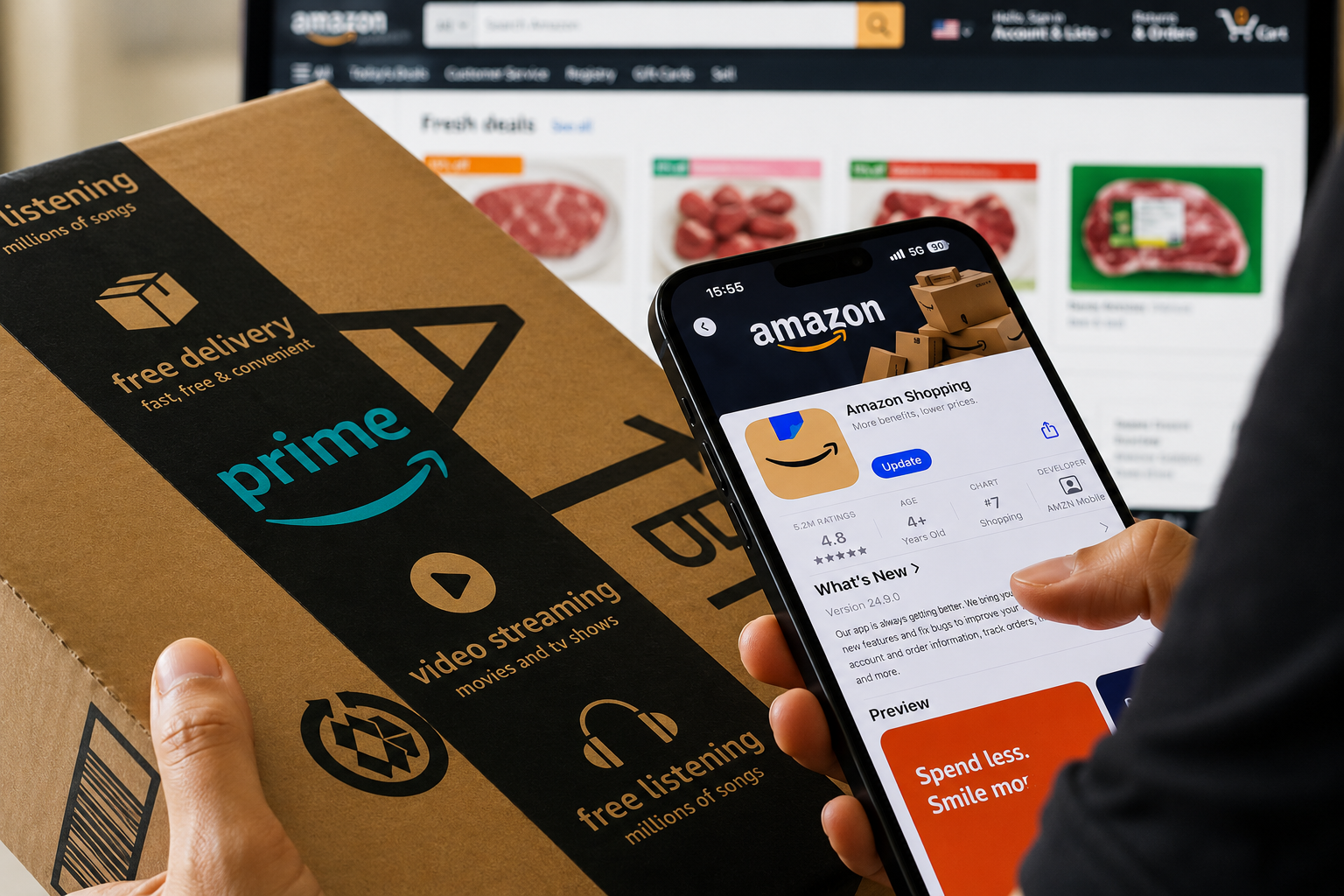
If you’ve ever had a Prime membership and wondered whether it was too easy to sign up and too hard to cancel, you’re not alone — and it may be worth a few minutes of your time. Amazon has agreed to a $2.5 billion settlement tied to its Prime membership practices, and some members may be eligible for a refund.
Quick Answer
Amazon agreed to a historic $2.5 billion settlement resolving claims that it made it difficult for consumers to cancel Prime memberships and enrolled some customers without clear consent. Eligible members who were affected by these practices may be able to claim a refund. The best way to check your specific eligibility and any claim deadlines is directly through Amazon’s official settlement communications or the FTC’s case information, since details can vary based on your account history.
Key Takeaways
- The settlement totals $2.5 billion and centers on how Amazon enrolled and allowed cancellation of Prime memberships.
- Not every Prime member is automatically eligible; eligibility depends on specific account and enrollment circumstances.
- Amazon is expected to notify eligible members directly, but you can also check your own account and any settlement notices for details.
- Claim deadlines are set by the settlement terms, so it’s worth checking sooner rather than later if you believe you may qualify.
What the Settlement Covers
The case centered on allegations that Amazon made canceling a Prime membership unnecessarily difficult, and that some consumers were enrolled in Prime without clearly understanding they were signing up for a recurring paid subscription. Settlements like this typically result in either direct refunds to affected customers, changes to the company’s enrollment and cancellation practices going forward, or both. For Amazon, a $2.5 billion settlement is among the largest of its kind involving a subscription service, reflecting the scale of Prime’s membership base.
How to Check If You’re Eligible
If you’ve had a Prime membership at any point and are unsure whether you’re covered, the most reliable step is to look for official communication from Amazon about the settlement, since eligibility criteria are tied to specific enrollment dates and circumstances that aren’t the same for every account. Be cautious of unsolicited emails or texts claiming to be about the settlement and asking for personal or payment information — verify any claim process through Amazon’s own account settings or official, verified settlement information rather than clicking links from unfamiliar senders.
What This Means Going Forward
Beyond any individual refund, settlements like this one often push companies to simplify subscription cancellation processes. If you’ve avoided canceling a subscription in the past because it felt deliberately complicated, this is a reasonable moment to revisit your own recurring subscriptions generally, not just Prime, and make sure you’re only paying for what you actually want to keep.
FAQ
Do I need to do anything to get a refund?
That depends on how the settlement is administered. Some settlements issue automatic refunds to eligible accounts, while others require filing a claim by a specific deadline. Check official Amazon or settlement communications for your specific situation.
Will canceling my Prime membership affect my eligibility?
Eligibility is typically based on your account history during the relevant period covered by the settlement, not your current subscription status, but you should confirm this against the official settlement terms.
How can I avoid settlement scams?
Don’t click links in unsolicited texts or emails claiming to be about the settlement. Instead, check your Amazon account directly or look for information through verified, official sources.
Sources
- Kiplinger — Personal Finance News
This article is for general information and is not personalized financial or legal advice.
Related Reading

Gulraj Ansari covers personal finance for Wall Street Sights, including retirement planning, credit, and everyday money decisions for U.S. readers.