Learn how beginner investing works with this easy step-by-step guide for U.S. investors. Discover stocks, ETFs, retirement accounts, diversification, and common mistakes to avoid.
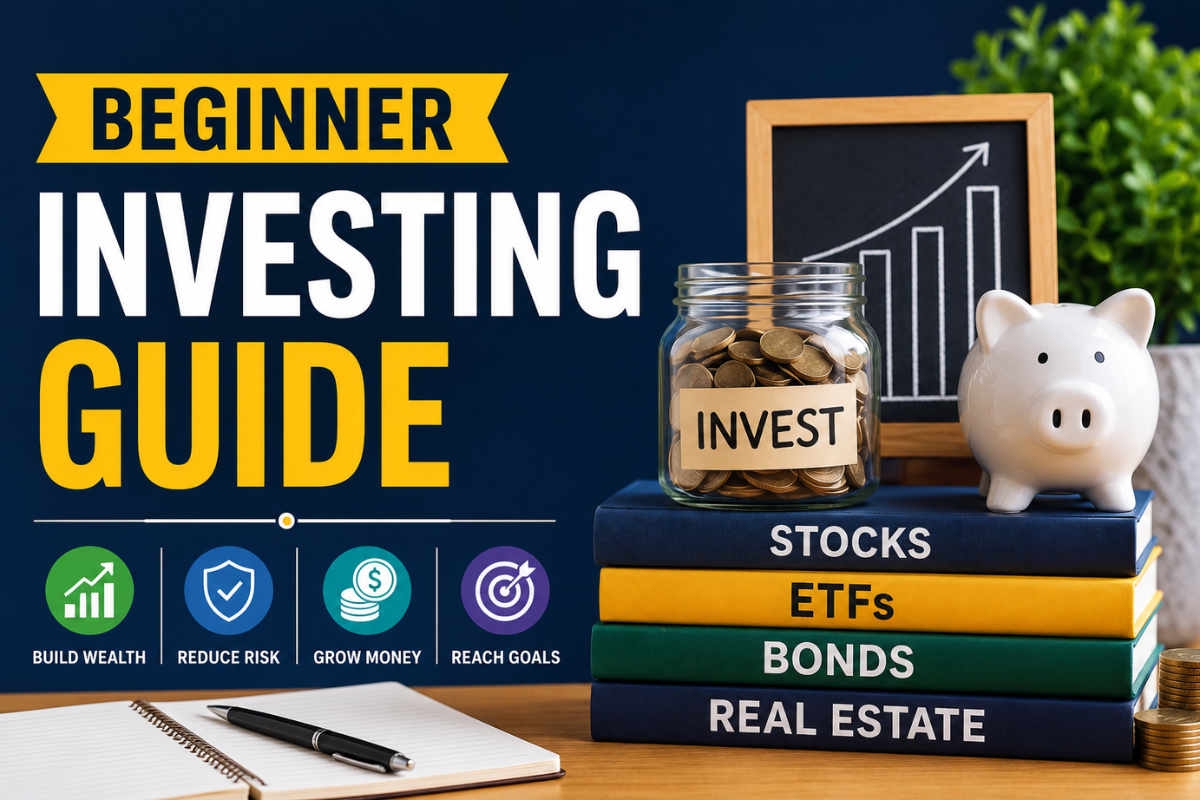
Beginner Investing Guide: How to Start Investing With Confidence
Investing can seem confusing when you’re just getting started. News headlines talk about market crashes, inflation, and billion-dollar companies, making it easy to think investing is only for experts.
The truth is much simpler. Many successful investors began with small amounts of money and focused on steady, long-term growth instead of trying to get rich overnight.
If you’re in the United States and wondering how to start investing, this beginner-friendly guide explains the basics in clear language. Whether you have $50 or $5,000 to invest, understanding the right principles can help you build wealth over time.
Table of Contents
What Is Investing?
Investing means putting your money into assets that have the potential to grow in value or produce income over time.
Unlike keeping cash in a regular savings account, investments may rise or fall in value. The goal is to earn returns that outpace inflation and help you reach future financial goals.
Common reasons people invest include:
- Building retirement savings
- Buying a home
- Funding a child’s education
- Creating passive income
- Growing long-term wealth
- Achieving financial independence
Why Should Beginners Start Early?
One of the biggest advantages new investors have is time.
Money invested today can grow through compounding, where your earnings generate additional earnings year after year. Even modest monthly contributions can become significant over decades.
For example:
| Monthly Investment | Years | Potential Benefit |
|---|---|---|
| $100 | 10 | Builds investing habits and portfolio growth |
| $250 | 20 | Creates meaningful long-term savings |
| $500 | 30 | Can accumulate substantial wealth depending on market performance |
Actual returns vary and are never guaranteed.
Understanding Different Investment Options
1. Stocks
Stocks represent ownership in a company. If the company grows successfully, your investment may increase in value.
However, stock prices can fluctuate daily, making them riskier than some other investments.
2. Exchange-Traded Funds (ETFs)
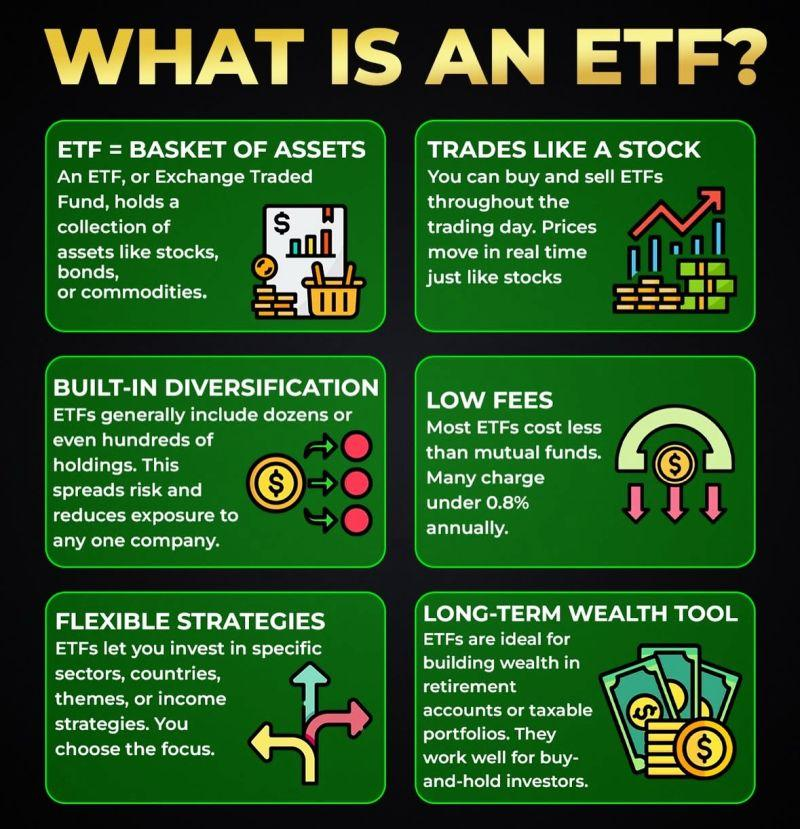
ETFs combine many investments into one fund and trade on stock exchanges.
For beginners, ETFs often provide instant diversification because they can hold hundreds of companies across different industries.
3. Mutual Funds
Mutual funds pool money from many investors and are professionally managed. Some are actively managed while others track market indexes.
4. Bonds
Bonds are loans made to governments or corporations. They generally provide more stable returns than stocks but often have lower growth potential.
5. Real Estate
Investors can buy property directly or invest indirectly through publicly traded real estate funds.
How Much Money Do You Need to Start?
A common myth is that investing requires thousands of dollars.
Today, many brokerage platforms allow investors to:
- Buy fractional shares
- Start with no account minimums
- Invest automatically every month
Even investing $25 to $100 regularly can help develop disciplined saving habits.
Build an Emergency Fund First
Before investing heavily, it’s generally wise to maintain an emergency fund covering several months of essential living expenses.
This can help avoid selling investments during market downturns if unexpected expenses arise.
Diversification: Don’t Put Everything in One Basket
Diversification means spreading investments across multiple assets rather than relying on one company or sector.
A diversified portfolio may include:
- Large U.S. companies
- Small businesses
- International markets
- Bonds
- Cash reserves
Diversification cannot eliminate losses but may reduce overall portfolio risk.
Think Long Term
Many beginners worry about daily market movements.
History shows that markets experience ups and downs, but patient investors who stay invested for years often benefit more than those who constantly buy and sell based on short-term news.
Trying to predict every market move is extremely difficult—even for professionals.
Dollar-Cost Averaging
One popular strategy is investing a fixed amount on a regular schedule.
For example:
- Invest $200 every month.
- Buy more shares when prices are low.
- Buy fewer shares when prices are high.
This approach removes much of the emotion from investing decisions.
Retirement Accounts Can Offer Tax Advantages
Many Americans invest through retirement accounts that may provide tax benefits depending on eligibility and individual circumstances.
Common account types include:
- Employer-sponsored retirement plans
- Individual retirement accounts
- Health savings accounts used for qualified purposes
Understanding available tax advantages can improve long-term returns.
Common Beginner Mistakes
1. Waiting Too Long
Many people postpone investing because they think they need more money.
Starting early with small contributions often beats waiting for the “perfect” time.
2. Chasing Hot Stocks
Buying companies simply because they’re trending on social media can expose investors to unnecessary risk.
3. Ignoring Fees
Investment fees may appear small but can reduce returns over many years.
4. Panic Selling
Market declines happen regularly. Selling during downturns may lock in losses that could have recovered over time.
5. Lack of Diversification
Concentrating your entire portfolio in one company or industry increases risk.
Sample Beginner Portfolio Idea
Every investor has different goals and risk tolerance, but many beginners consider diversified approaches such as:
- Broad U.S. stock exposure
- International stock exposure
- Bond investments
- Cash reserves for emergencies
Your ideal allocation depends on your age, timeline, financial goals, and personal circumstances.
How to Set Investing Goals
Before buying your first investment, define why you’re investing.
Examples include:
- Retirement in 30 years
- Buying a first home in 10 years
- College savings
- Building passive income
- Financial security
Clear goals make it easier to stay disciplined during market volatility.
Is Investing Risky?
Every investment carries some level of risk.
Potential risks include:
- Market declines
- Inflation reducing purchasing power
- Company-specific problems
- Economic recessions
- Interest rate changes
The key is balancing risk with diversification, long-term planning, and regular investing habits.
Key Tips for First-Time Investors
- Start as early as possible.
- Invest consistently.
- Focus on long-term goals.
- Diversify across different assets.
- Avoid emotional decisions.
- Continue learning about personal finance.
- Review your portfolio periodically instead of every day.
Final Thoughts
Beginning your investing journey does not require perfect timing or expert knowledge. What matters most is developing consistent habits, understanding basic principles, and thinking long term.
For many U.S. investors, regularly contributing to a diversified portfolio and avoiding emotional reactions to market swings can be more effective than trying to predict the next big winner.
The sooner you begin learning and investing responsibly, the more time your money has the opportunity to grow.
Read more :
AMC Announces $200 Million Stock Offering to Reduce Debt and Boost Liquidity
Oil Prices Fall as U.S.-Iran Talks Progress and Markets React
What is the best investment for beginners in the U.S.?
Many beginners choose diversified investments such as broad-market ETFs or index funds because they provide exposure to many companies in a single investment. The best choice depends on your financial goals and risk tolerance.
How much money should I invest each month?
There’s no universal amount. Even investing $50 to $100 per month consistently can help build long-term wealth over time.
Is it better to save or invest?
Both play important roles. Maintaining an emergency savings fund while investing money intended for long-term goals is a common strategy.
Can I lose money investing?
Yes. Investments can decline in value, especially over short periods. Diversification and a long-term perspective may help manage risk but cannot guarantee profits.
Should beginners invest in individual stocks?
Some do, but many beginners prefer diversified funds because they spread risk across multiple companies rather than relying on the performance of a single stock.

Gulraj Ansari covers personal finance for Wall Street Sights, including retirement planning, credit, and everyday money decisions for U.S. readers.