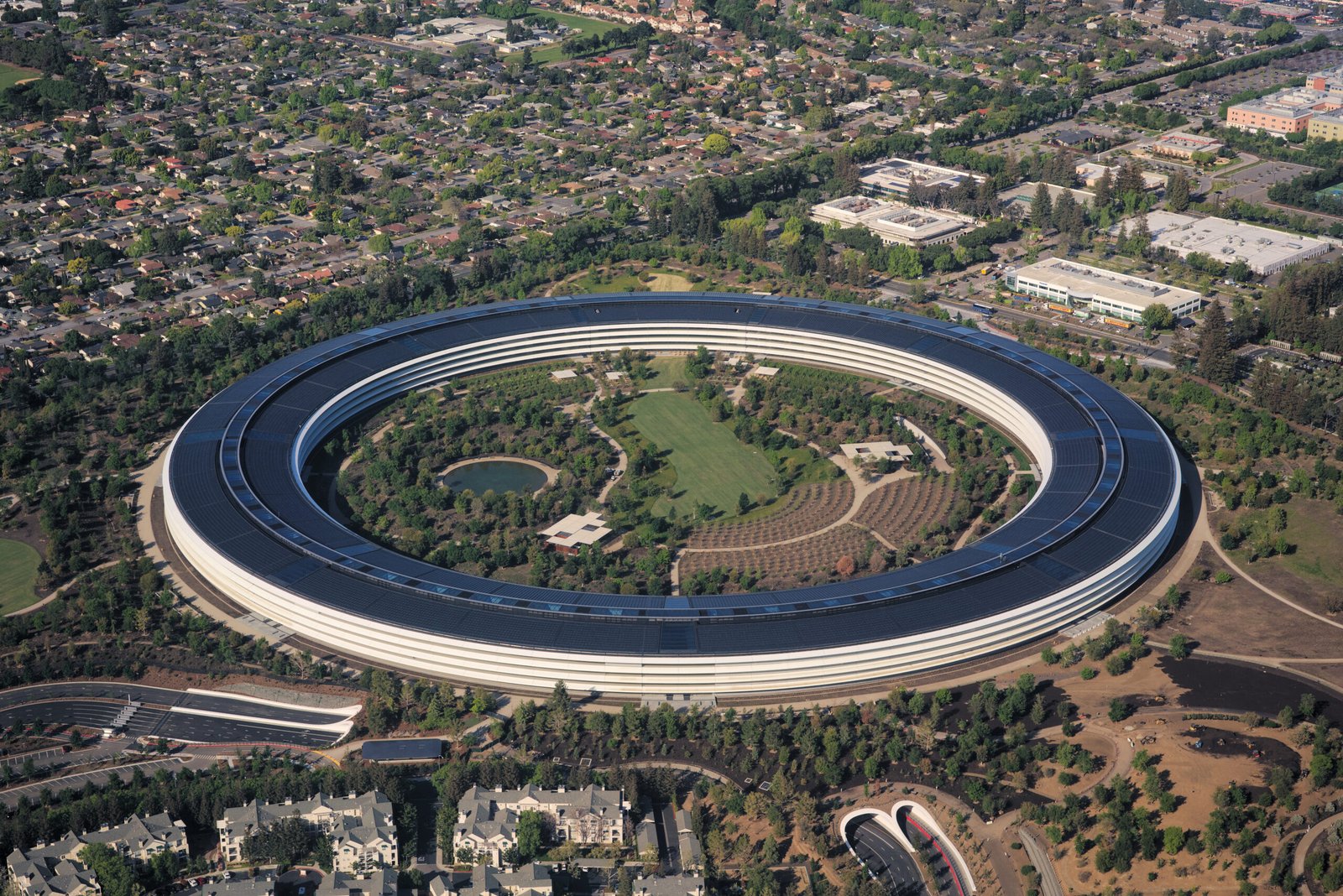
Apple briefly touched a $5 trillion market capitalization on Tuesday, becoming only the second publicly traded company in history to reach that level, days before it reports quarterly earnings.

Quick Answer
Apple (NASDAQ: AAPL) shares briefly touched $342.89 on July 28, 2026, pushing its market capitalization to roughly $5.036 trillion during the trading session. That makes Apple only the second company ever to reach a $5 trillion valuation, after Nvidia first did it in October 2025. Apple’s stock later pulled back, and the company needs to close above $340.43 for the milestone to become official. Apple reports third-quarter earnings after the market closes on Thursday, July 30.
Key Takeaways
- Apple’s market cap briefly topped $5 trillion intraday on July 28, 2026, a session high of $5.036 trillion.
- It’s the second company ever to reach $5 trillion, following Nvidia in October 2025.
- Apple stock is up roughly 24% year to date and nearly 60% over the past 12 months.
- The rally has been driven largely by strong iPhone demand, not artificial intelligence infrastructure spending.
- Apple reports Q3 earnings on Thursday, July 30, and faces a CEO transition on September 1 as Tim Cook moves to executive chairman and John Ternus becomes CEO.
How Apple Got Here
Apple’s rise to trillion-dollar milestones has followed an unusually fast pace in recent years. The company became the first publicly traded $1 trillion company in August 2018 and reached $2 trillion just over two years later, in August 2020. It crossed $4 trillion for the first time in October 2025, becoming the third company to do so after Nvidia and Microsoft. Less than a year later, Apple has now briefly touched $5 trillion, joining Nvidia as the only two companies to ever reach that level.
Earlier this month, Apple overtook Nvidia to reclaim the title of world’s most valuable company, a position the two companies have continued to trade back and forth.
Why Apple’s Rally Looks Different From Its AI Peers
Much of this year’s rally in Big Tech has been tied to spending on artificial intelligence infrastructure, but Apple’s story is different. The company has largely stayed out of the costly AI data-center buildout that has pressured cash flow and raised investor questions at companies like Microsoft, whose stock has fallen roughly 28% from its October 2025 high on concerns about AI spending and returns.
Instead, Apple’s gains have been driven by strong iPhone sales and disciplined capital spending. That approach has a tradeoff: Apple has leaned on outside partners for its AI features, including a deal to use Google’s Gemini models to power an updated Siri, after delays to its own in-house AI plans led to executive changes at the company.
Where Apple Is Still Feeling AI’s Impact
Even without heavy AI infrastructure spending, Apple hasn’t avoided the effects of the broader AI boom entirely. A global shortage of memory and storage chips, driven in large part by AI data-center demand, has forced Apple to raise prices on some Mac and iPad models. That shortage has also been a major storyline elsewhere in the market this earnings season — memory chip makers have seen their stocks surge on the same AI-driven demand that’s squeezing Apple’s supply chain, and Micron’s own data-center-driven earnings have been a key signal for the sector. Apple has not yet raised iPhone prices, though that could change with upcoming models.
The Week Ahead: Earnings and the Fed
Apple’s milestone lands in the middle of a heavy week for markets. The company reports third-quarter results after the close on Thursday, July 30, alongside a batch of other major tech earnings. That same week, the Federal Reserve is meeting to decide on interest rates, adding another variable investors are watching closely. For readers who want the fundamentals behind how those Fed decisions actually work, our Complete Federal Reserve Guide breaks down the FOMC process end to end.
Apple also faces a leadership transition alongside all of this: CEO Tim Cook is set to become executive chairman on September 1, handing the CEO role to hardware chief John Ternus in one of the company’s biggest leadership changes in years.
What This Means for Investors
A $5 trillion valuation is a symbolic milestone more than an operational one, but it reflects how much confidence investors currently have in Apple’s core hardware business relative to peers spending heavily on unproven AI infrastructure. Some valuation models flag the stock as trading above estimated intrinsic value at current prices, which is a reminder that a big round-number milestone doesn’t tell you anything about whether a stock is cheap or expensive from here. Thursday’s earnings report, and any guidance on iPhone demand, pricing, and the chip shortage, will likely matter more to the stock’s next move than the $5 trillion headline itself.
FAQ
Did Apple officially close above $5 trillion?
Not necessarily. Apple touched a session high of $5.036 trillion intraday on July 28, 2026, but needed to close above $340.43 per share for the milestone to be official at the close.
What company was first to reach $5 trillion?
Nvidia was first, reaching a $5 trillion market cap on October 29, 2025.
When does Apple report earnings?
Apple is scheduled to report third-quarter results after market close on Thursday, July 30, 2026.
Why hasn’t Apple spent heavily on AI infrastructure like other Big Tech companies?
Apple has largely relied on partnerships, including using Google’s Gemini models for Siri, rather than building its own large-scale AI data-center infrastructure, which has helped it avoid some of the spending concerns weighing on AI-focused peers.
Sources
- Bloomberg — Apple Hits $5 Trillion Market Value
- Yahoo Finance — Apple tops $5 trillion market cap
- Forbes — Apple Briefly Surpasses $5 Trillion Market Value
- Apple Investor Relations

Finance Writer | Wall Street Sights
Gulraj Ansari covers U.S. markets, business, investing, artificial intelligence, and global economic trends. His reporting focuses on delivering clear, research-backed, and reader-friendly financial insights.